Portugal vs. Italy: Which Golden Visa Is Right for Your Bitcoin Wealth?

The European golden visa landscape has collapsed dramatically in recent years. Spain closed its program in April 2025. Greece raised investment minimums to €800,000 with mandatory seven-year residence requirements. Malta's direct citizenship program was shut down by EU court ruling. What remains are two fundamentally different approaches to European residency and citizenship.
Portugal offers the fastest path to EU citizenship with minimal physical presence and Bitcoin-friendly tax treatment. Italy provides immediate lifestyle access, faster residence permits, and lower investment thresholds at the cost of a longer citizenship timeline. Both programs survived the EU crackdown and both offer legitimate paths to European positioning for Bitcoin wealth, but they serve different objectives.
This guide breaks down which program aligns with your goals.
The Investment Comparison
Portugal requires €500,000 invested into regulated private equity funds that must deploy at least 60% of capital into Portuguese companies and cannot invest in real estate. The investment locks for five years with no early withdrawal. Italy's investor visa offers multiple pathways, with the €250,000 innovative startup route being the most accessible option, buying equity in a qualified Italian startup – for Bitcoin holders, that means Bitizenship Italia's Milan-based structure. The capital remains locked but can generate returns through the startup's performance.
The €250,000 difference matters, but what happens after you invest and how quickly you convert residency into citizenship matters more. Portugal's five-year lockup serves a specific purpose within the EU regulatory framework – by requiring genuine economic deployment through regulated funds, Portugal built a structure that survived EU scrutiny while other programs collapsed. Italy's startup route achieves the same regulatory compliance at a lower entry point through direct equity in job-creating ventures.
How the Programs Work
Portugal grants a residence permit valid for one year initially, renewable for two-year periods after. You maintain this status by spending an average of seven days per year in Portugal, or 14 days every two years. The residence permit provides immediate Schengen zone access, EU-wide travel rights, and the ability to establish banking and business operations across European markets.
After five years of maintaining residence status, you become eligible to apply for Portuguese citizenship. Future legislations could extend this timeline to between seven and ten years, though no law hasn't been approved so far.
Italy's investor visa provides residence permits on a 2+3 year structure with zero physical presence requirements for permit maintenance, meaning faster access to the actual residence card compared to Portugal's processing timeline which currently runs 18+ months. Italian citizenship requires ten years of legal residence with genuine integration including language proficiency.
Italy delivers immediate practical benefits for those who want to actually live in Europe now. Portugal optimizes for citizenship acquisition while preserving maximum flexibility about where you spend your time.
Tax Treatment
Portugal's tax treatment of cryptocurrency creates a structural advantage that's difficult to overstate. Capital gains from Bitcoin held over 365 days are completely tax-exempt, crypto-to-crypto exchanges don't trigger taxable events, and short-term gains under 365 days are taxed at 28% – affecting only active trading, not long-term holding. The tax exemption is explicit Portuguese tax policy designed to incentivize exactly the behavior Bitcoin holders practice naturally, with the one-year holding period aligning perfectly with long-term Bitcoin accumulation over short-term speculation.
Portugal also offers the IFICI regime providing a 10-year exemption on foreign-sourced income for new residents. Combined with the crypto exemption, this creates extraordinary tax efficiency for Bitcoin holders with diverse income streams.
Italy taxes crypto gains at 26-33% under standard rates, making it unfavorable for Bitcoin wealth unless you qualify for the €200,000 annual flat tax regime covering all foreign-sourced income. For someone earning €5 million annually from non-Italian sources, the flat tax represents effective rate compression. For someone primarily holding Bitcoin, it's an expensive solution to a problem Portugal solves for free.
If your wealth sits primarily in Bitcoin with minimal ongoing income, Portugal's tax-free appreciation exceeds any benefit Italy's flat tax provides. If you're generating millions annually from non-Portuguese businesses while wanting Italian residence, the flat tax math potentially works.
Physical Presence
Portugal requires seven days per year averaged over time, creating flexibility for global mobility while building toward citizenship. You can base yourself anywhere, maintain existing business operations, and visit Portugal briefly each year to preserve status – a minimal requirement reflecting Portugal's strategy of attracting global capital without forcing immediate relocation.
Italy requires zero physical presence to maintain the residence permit. You can obtain Italian residency and never actually live in Italy, though the ten-year citizenship timeline assumes you'll eventually want to naturalize, requiring genuine ties, Italian language proficiency, and integration into Italian society.
The practical reality diverges from legal minimums. If your goal is Portuguese citizenship in five years, you'll need to pass an A2-level Portuguese language exam or complete 150 hours of classes, which is difficult with only seven days per year in-country. Most applicants spend more time in Portugal than the minimum, though far less than traditional immigration programs demand.
Italy's zero-day requirement works for those who want European residence rights without near-term citizenship plans, providing immediate optionality and legal presence without forcing commitments about where you'll live.
Citizenship Timeline
Portugal's five-year citizenship eligibility remains the fastest path to EU citizenship through investment, though (at the time of writing) pending legislation would extend this timeline – with the final extension unclear, potentially ranging from seven to ten years depending on how the law is ultimately enacted.
The legislation passed Parliament in October 2025 but has been deemed unconstitutional by the Constitutional Court for a series of reasons, without addressing the specific need for a grandfathering clause. Portugal's Constitution explicitly prohibits retroactive restrictions on individual rights. At present, it's unclear when and if new legislation will be approved and what the exact impact on golden visa investors will be.
Italian citizenship requires ten years of legal residence – not negotiable, representing Italian naturalization law for all foreign residents rather than a special timeline for investor visa holders. This makes Italy fundamentally different from Portugal in strategic positioning. Italy provides immediate European lifestyle access and residence rights but delays citizenship benefits by a full decade, which matters enormously in educational planning, career development, and generational wealth transfer for someone in their thirties or forties with children.
Portugal's timeline uncertainty creates a real decision point. Even at ten years, Portugal still beats Italy's fixed decade while delivering dramatically better tax treatment for Bitcoin holdings. Besides, we are of the advice that in any case, after 5 years, Golden Visa investors have access to a special permanent residency and are able to remove their investment. All these considerations are uncertain until a new law is approved and enacted.
Residence Permit Processing
Italy's investor visa processing runs dramatically faster than Portugal's current timeline, with applications typically completing within two to six months from initial filing to residence card issuance. This speed delivers practical benefits for anyone needing European residence rights immediately for banking access, business operations, or legal presence.
Portugal's processing currently extends up to 18 months for initial residence card approval due to sustained backlogs at AIMA, creating friction for applicants needing immediate European positioning. Once approved, renewals process more quickly, but the initial application represents significant waiting during which you hold no formal residence status.
If you're planning three years ahead and citizenship timeline matters most, Portugal's 18-month wait is acceptable. If you need European residence established within 90 days for banking or business, Italy's speed becomes decisive. These timelines fluctuate based on application volume, regulatory changes, and administrative capacity – Portugal's current backlog reflects sustained demand combined with administrative restructuring, while Italy's speed reflects lower application volumes and more streamlined bureaucracy.
The Bitcoin-Aligned Investment Structures
Bitizenship operates Bitcoin-aligned investment vehicles for both programs, eliminating the traditional misalignment where golden visa requirements forced Bitcoin holders into industries disconnected from their investment thesis.
For Portugal, Bitizenship's Fund is a CMVM-regulated private equity fund deploying capital into Portuguese companies with Bitcoin exposure. The fund satisfies Portugal's 60% Portuguese company deployment requirement while maintaining alignment with Bitcoin's trajectory.
For Italy, Bitizenship Italia operates as a Milan-based innovative startup focused. The €250,000 equity investment purchases Class B shares with 90% profit participation from Bitcoin-related activities and provides 24-month withdrawal windows, though early exit sacrifices residence permit eligibility that requires maintaining the investment.
Both structures solve the same problem from different angles. Traditional golden visa funds invest in hospitality, agriculture, or generic small business portfolios offering no strategic value to Bitcoin holders beyond regulatory compliance. Bitizenship's approach aligns the mandatory investment with actual conviction about Bitcoin's future, turning a compliance requirement into potentially productive capital allocation.
The Lifestyle Factor
Italy offers world-class culture, food, fashion, and quality of life that Portugal doesn't match in most categories. Milan, Rome, Florence, and Venice provide experiences that Lisbon and Porto can't replicate. For someone who's wanted to live in Italy since studying abroad there, that matters more than spreadsheet optimization.
Portugal provides beaches, surfing, digital nomad infrastructure, and an increasingly sophisticated tech ecosystem. It's more affordable than Italy, easier for English speakers, and more welcoming to foreign entrepreneurs. For someone building a location-independent business who wants a low-cost European base, Portugal delivers practical advantages.
Lifestyle preferences are legitimate strategic factors. If you'll be miserable in Lisbon but energized in Milan, Italy's longer citizenship timeline might be acceptable cost for actually enjoying the decade you spend there. If you're indifferent about European lifestyle and purely optimizing for citizenship timeline and tax efficiency, Portugal dominates.
Most golden visa analysis ignores lifestyle entirely and focuses exclusively on financial optimization. That's a mistake for anyone planning to spend meaningful time in their chosen jurisdiction – the best program on paper becomes the wrong choice if you hate living there.
Who Should Choose Portugal

Portugal works best for those prioritizing EU citizenship timeline over immediate lifestyle benefits. If your goal is securing a European passport for yourself and your family as quickly as legally possible while maintaining maximum global mobility, Portugal remains unmatched despite timeline uncertainty.
The program particularly suits Bitcoin holders with significant unrealized gains expecting to hold for multiple years. Portugal's tax exemption on crypto held over 365 days creates extraordinary value for those with €1 million+ in Bitcoin acquired at lower prices – realizing those gains tax-free in five years generates more value than any lifestyle benefit Italy offers.
Portugal also works for those uncertain about where they'll eventually settle. The minimal physical presence requirement preserves complete flexibility about future location decisions while building toward citizenship. You can maintain operations in Dubai, Singapore, or anywhere else while your Portuguese residence status accumulates time toward naturalization.
The Portuguese option requires comfort with regulatory uncertainty around whether current applicants lock in five years or move to the extended timeline. If that uncertainty is intolerable, Italy's fixed ten-year path provides more certainty despite being longer.
Who Should Choose Italy
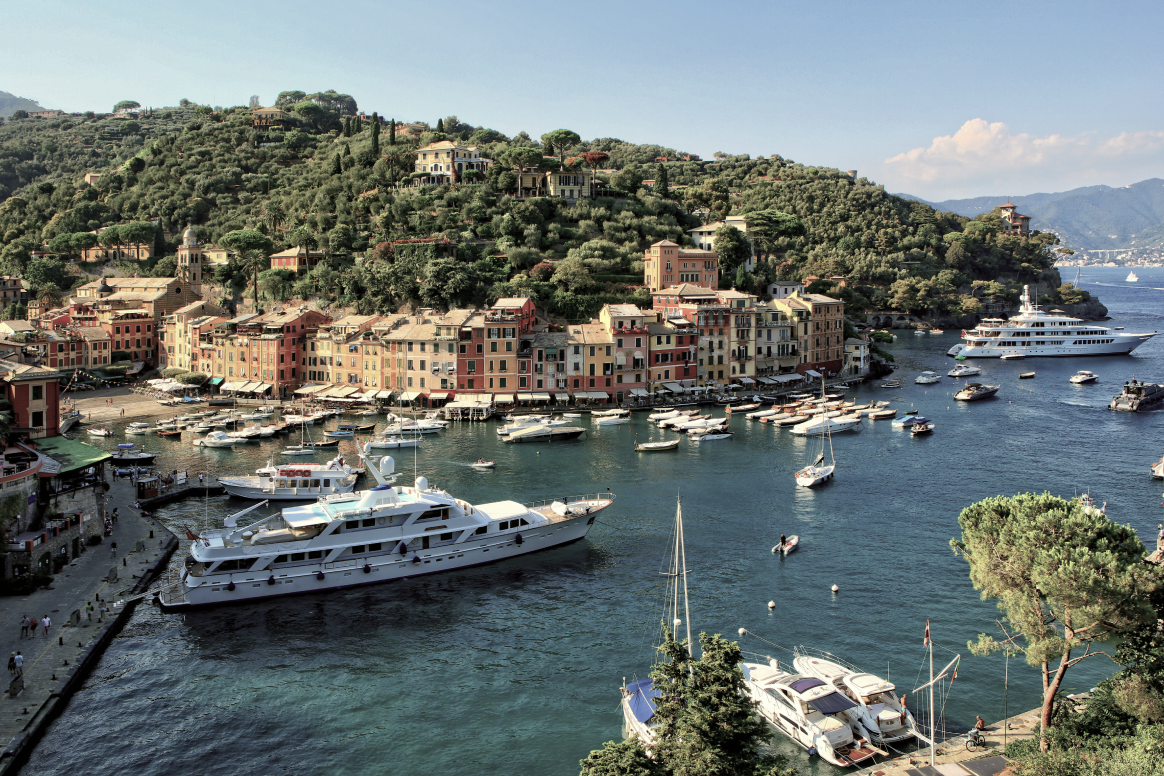
Italy suits those valuing immediate European lifestyle access over citizenship timeline optimization. If you've wanted to establish life in Italy for cultural, family, or quality-of-life reasons, the investor visa provides that opportunity at a lower investment threshold with faster residence permit processing.
The program works well for those already generating substantial foreign income who can benefit from the €200,000 flat tax regime. If you're earning €3 million+ annually from non-Italian sources, the flat tax potentially creates significant value while providing Italian residence, making Italy competitive with Portugal despite higher crypto taxation for this specific use case.
Italy also makes sense for those wanting European residence rights immediately without clear citizenship plans. The zero-day physical presence requirement combined with fast processing delivers legal European presence within months while preserving freedom about where you actually live, maintaining the option to pursue Italian citizenship in a decade if circumstances change without being forced into that path.
The Italian route requires accepting that citizenship remains a decade away at minimum. If that timeline works for your family planning and long-term strategy, Italy's lifestyle benefits and lower investment potentially exceed Portugal's tax and timeline advantages. But if citizenship represents the core objective, Italy's ten-year requirement creates significant disadvantage.
Getting Started
For Portugal through Bitizenship's Fund, the process begins with consultation to assess fit, followed by subscription documentation, capital transfer, and application filing. Current timeline from initial contact to residence permit approval runs approximately 18-24 months given processing backlogs. The fund requires €500,000 minimum investment plus approximately €25,000 in legal, processing, and service fees.
For Italy through Bitizenship Italia, the process runs faster with residence permits typically issued within three to six months of application filing. The structure requires €250,000 equity investment in the Milan-based innovative startup plus approximately €25,000 in associated costs. Applications receive priority processing given the startup's established relationship with Italian immigration authorities.
Both programs require comprehensive source of funds documentation, particularly for cryptocurrency wealth. This includes exchange withdrawal histories, blockchain transaction forensics, wallet custody records, and professional attestation of legal acquisition. Bitizenship's crypto-native onboarding infrastructure streamlines this process compared to traditional immigration advisors unfamiliar with blockchain documentation.
Schedule consultations for both programs to understand specific mechanics, timeline expectations, and cost structures. Bitizenship provides unbiased assessment of fit rather than pushing either program since we operate both structures.
Where the Programs Stand
Portugal remains the superior choice for anyone prioritizing EU citizenship timeline, tax optimization for Bitcoin holdings, and maximum flexibility about physical location. Even with uncertainty about the five-year timeline extending to seven or ten years, Portugal still matches or beats Italy's fixed ten-year requirement while delivering dramatically better tax treatment for crypto assets.
Italy makes sense for those who genuinely want to live in Italy for lifestyle reasons, who can benefit from the €200,000 flat tax regime due to substantial foreign income, or who need faster initial residence permit processing for immediate European presence. The lower €250,000 investment threshold creates accessibility for those not ready to commit €500,000 to five-year lockup.
If citizenship is the goal and Bitcoin tax treatment matters, Portugal wins. If Italian lifestyle is the objective and you're comfortable with ten-year naturalization timeline, Italy provides legitimate value at lower entry cost. Most people defaulting to "I'll just do both programs" underestimate the complexity, cost, and ongoing compliance of maintaining multiple residencies. Pick the program that aligns with your primary objective.
FAQs
Can I switch from Italy to Portugal or vice versa after starting one program?
Yes, though it requires abandoning the initial investment and starting over with new capital deployment. You can't transfer your Italian €250,000 investment into Portuguese fund subscription. If you complete one program through citizenship then pursue the other, you're doing sequential programs rather than switching mid-stream.
How do the citizenship timelines compare if Portugal extends to ten years?
At ten years, both programs become equivalent in timeline. The distinction would then center entirely on tax treatment, investment amount, and lifestyle preference rather than citizenship speed. Portugal would still maintain advantages on crypto taxation and physical presence flexibility, while Italy would offer a lower investment threshold and faster initial residence permit.
Also worth mentioning is that most likely the Portuguese system will allow investors to withdraw their investment in year 5 and obtain a special permanent residency card. From year 5 to year 10, no staying requirement would be needed. All of this has to be confirmed, but this seems to us the most likely evolution of the program. If so, the two programs will maintain a critical distinction: Italy as a great flexibility option that is cheaper, and Portugal as a path to citizenship with minimal staying requirements.
Which program is better for children's education?
Both provide access to European education systems from day one of residence. Portugal's faster citizenship timeline (assuming five to seven years) delivers EU citizenship sooner for children, which matters for university access and long-term career mobility. Italy's cultural and educational prestige in certain fields could outweigh timeline for families specifically targeting Italian institutions.
Can I maintain both programs simultaneously?
Legally yes, though it creates complex tax residency issues requiring sophisticated structuring. Most tax authorities use physical presence tests, economic ties, or center of vital interests to determine tax residence. Maintaining two European residencies increases scrutiny and requires careful documentation of where you spend time and conduct business.
How does Brexit affect these programs?
Both Portugal and Italy remain EU member states with full Schengen participation. Brexit has no direct impact on either program's citizenship benefits or European access. If anything, the collapse of UK immigration pathways has increased demand for remaining EU programs, though UK citizens can still access both programs without restriction.
Which program survives longer if EU pressure increases?
Portugal's regulated fund structure has proven more resilient to EU scrutiny than Italy's diverse investment pathways. Portugal survived when Spain and Ireland closed because the CMVM-regulated model ensures genuine economic contribution. Italy's program faces lower scrutiny but lacks Portugal's defensive regulatory architecture. If forced to bet on longevity, Portugal appears more structurally sound, though neither faces imminent closure risk as of late 2025.
.png)
.png)
Gain European residency and citizenship for you and your family. Enjoy the freedom to live, work, do business.
