Citizenship in the
Bitcoin Age

Bitizenship is a pioneering advisory firm promoting the Golden Visa-eligible fund in Portugal focused on the Bitcoin ecosystem.

Bitizenship's Mission

We’re on a mission to design the future of global citizenship.
We are committed to redefining what it means to be a global citizen by creating innovative Bitcoin-driven pathways for freedom, mobility, and opportunity.

Bitizenship is the promoter of the Bitcoin ecosystem fund, managed by 3 Comma Capital, the only crypto-focused licensed asset manager in Portugal. Our fund owns and operates real Portuguese companies with Bitcoin on their balance sheets, providing exposure to secure, lowest-fee ETFs by BlackRock and Bitwise.

110+

Golden Visa processing handled

1

Fund advised

10+

Years in tech

08

Years in Portugal

The Portuguese Golden Visa

Your window to Europe, the Portuguese Golden Visa is safe, convenient, and perfect for your family.

Gain European residency and citizenship for you and your family. Enjoy the freedom to live, work, do business, and access education and healthcare services across these nations.


Offer your children the unparalleled opportunity to design the future they want, with no restriction.

  • 01

    Visa-free travel through 27 EU countries in the Schengen Zone.

  • 02

    Minimal staying requirements. Simply visit for 14 days every two years and progress towards citizenship in just five years.

  • 03

    European residency and citizenship for you and your family.

  • 04

    Access to high standard quality Education and Healthcare. Benefit from access to Portugal's education and healthcare systems.

  • 05

    We ensure complete transparency regarding the total costs and fees associated with the Visa Program.

We’re building the future of global citizenship

We manage success for you, end-to-end assistance.

FOR OUR READERS

The Bitizenship Blog.

Second Passport Benefits – More Travel, Security & Opportunity
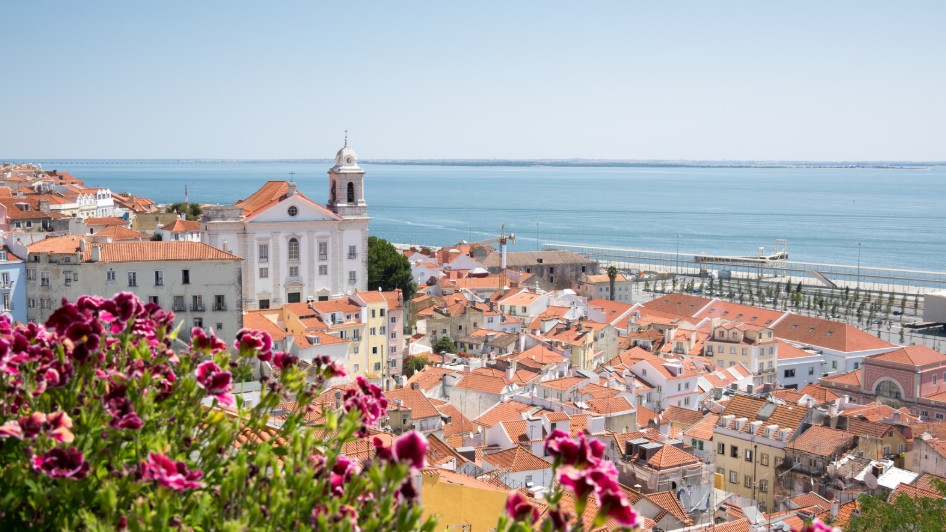
Second Passport Benefits – More Travel, Security & Opportunity If you want more financial options and the ability to travel freely, getting a second passport might be your next step. Many people around the world opt for it to improve their lives (and quite massively). In this post, we’ll go over second passport benefits, what it is, why more people are choosing one, and how you can decide if it’s right for you. Why More People are Getting a Second Passport It’s a mere misconception lingering from the past that getting a second passport is only a viable option for the wealthy. The demand for second passports has increased dramatically over the years, with more countries allowing dual citizenship. Entrepreneurs, Bitcoin investors, and even regular families that can afford it are now jumping on board to open up new avenues of financial growth, start a new chapter in their lives, or have a “backup plan” in case their home country goes through economic, political, or social instability.  For professionals, dual citizenship opens access to new markets, tax benefits, asset protection, and visa-free travel. Families often prioritize safety, healthcare, education, and quality of life when choosing a second passport. If another country offers better opportunities, it’s more than just a luxury. It’s a practical step toward improving nearly every aspect of life.  That’s also precisely why every Bitcoiner should invest in alternative citizenship. Key Benefits of a Second Passport Every passport acts like a "key" that unlocks a unique set of privileges. Own two keys? You double your access. That’s the simplest way to explain the biggest advantage of a second passport. The list goes on, but here are just some of the benefits of second passport. Think of these as the “why” behind the growing trend. Freedom to Travel Not all passports are created equal. There are some that act like VIP passes, which let you breeze through borders. Others? They’re more like a never-ending checklist of visas and paperwork. If your current passport limits where you can go, a second (stronger) one becomes your shortcut to stress-free global access. With two passports, you get to choose which one to use when entering most countries. (Quick note: Places like the U.S. require citizens to use their U.S. passports for entry, but this is rarely a hassle. Overall, your second passport will cut through the red tape of global politics, turning you into a truly borderless citizen. Better Security To be fair, no country is immune to crises. Economic crashes, political unrest, and social upheaval will always be a part of a nation. If not at the moment, then potentially in the future. A second passport acts like an insurance policy for your safety. If things go south in your home country, you’ve got a backup plan. It’s a literal ticket to stability. Wealth Protection Ever heard of “don’t put all your eggs in one basket”? A dual citizenship helps you avoid doing just that. Here are a few ways: Open offshore bank accounts (with better interest rates or currency options). Invest in foreign markets (think real estate in stable economies). Slash taxes legally. Countries like the UAE, Portugal, and St. Kitts & Nevis offer near-zero tax rates for citizens. It allows you to spread your wealth globally so that you’re no longer at the mercy of one country’s economy. Besides, dual citizenship also opens up new markets for investment, and now, since you’re a citizen of a new country, it’s much easier to open a business. Access to Better Healthcare and Education Suppose you live in a country where either healthcare or education (or both) is objectively not up to your expectations. In that case, a second passport becomes a way for you and your family to get access to better hospitals and universities. In terms of improved quality of life, the EU has often been a great example of high-quality public services that make a huge difference. Singapore and Canada are also great examples of countries that can help you improve your life and reset your family’s future. Lifestyle Upgrade Retire on a Mediterranean coast. Work remotely from a tropical island. Raise kids in a country with cleaner air and safer streets. A second passport turns these dreams into actionable options. Dual citizenship means you can split your time between two countries. Alps in winter? Bali beaches in summer? Your playground just got bigger because the possibilities are multiplied several times over. How Nationality Affects Your Second Passport Options Your current nationality is the #1 factor shaping your second passport options. Let’s break it down. The No-Go Zone: Countries that outright ban dual citizenship. Think China, India, or Saudi Arabia. If you gain a second passport here, you’ll have to surrender your original one, with no exceptions. The Gray Area: Countries with strict (but bendable) rules. Japan, Germany, and the Netherlands generally don’t allow dual citizenship, but the keyword is “generally”. However, there are loopholes. For example, if you’re born with dual nationalities, if you marry a foreign citizen, or if you secure special government approval, you might keep both, but it’s still not guaranteed. The Flexible Nations: Countries like the US, UK, Canada, and most EU states. Here, holding multiple passports is common. No need to renounce your original citizenship, and you’ll enjoy perks like visa-free global access. It’s important to know that the US taxes citizens worldwide, so weigh the pros (strong passport) against the cons (tax headaches). All in all, your starting point (nationality) decides your path. Second Passport vs. Second Residency: What’s the Difference? They might sound similar, but a second passport and a second residency are very different in terms of what they offer, how you get them, and what they cost. Let’s break them down individually so your options are easier to understand, and you can make the decision that suits you best. Second Residency (Legal Permission to Live in Another Country) You might naturally gravitate towards a second residency instead of a second passport, assuming it’s easier to get and less of a hassle. Indeed, it often is easier and becomes a great alternative for those who don’t feel ready for full citizenship yet. A second residency lets you live legally in another country without becoming a citizen. You keep your original passport, renew residency periodically, and avoid the hurdles of full citizenship. But is it the right move for you? Let’s weigh the pros and cons: ProsConsMost residency programs ask for proof of income, a modest investment, or a business setup. No need to uproot your life, as many don’t even require full-time living.Residency doesn’t equal citizenship. No voting, no passport perks, no consular protection. You’re essentially a long-term guest.Compared to citizenship-by-investment (think six-figure sums), residency is far cheaper.Most residencies demand renewals every few years, and you’ll need to prove you’ve spent enough time in the country. Skip this, and your status vanishes.Some programs, like the UAE’s zero-tax residency, act as financial cheat codes for entrepreneurs. Always consult a tax professional because not all residencies offer perks.Want visa-free access? Residency won’t help. That’s a passport-only perk. If one of your primary goals is traveling with more freedom, residency won’t help.Residency in places like Portugal or Spain can fast-track citizenship after 5-10 years. It’s like a “try before you buy” phase. Second Passport (Full Citizenship) Now, let’s talk about a second passport, which grants full citizenship of a country. This means you’re legally and socially recognized as part of that country and have all the rights granted to its citizens, just like those born there. Here are the good and bad of it: ProsConsYou have the same rights as someone born in that country, allowing you to live freely without visa renewals, vote, and access other citizenship perks.Unless you’re marrying a citizen or claiming ancestry, citizenship demands years of residency (5+ in countries like Spain) or a huge investment. A stronger passport acts like a golden ticket. For example, swapping a restrictive passport for one from St. Kitts & Nevis opens visa-free access to over 150 countries, including the EU and the UK.Many countries do not allow dual citizenship, including India and China. This means, if an Indian citizen wants to become a citizen of another country, they must revoke their Indian citizenship and original passport.Citizenship isn’t just for you but also a gift to your children. Pass it down, and they’ll inherit the same safety, opportunities, and backup plan you’ve secured.Some countries, like the US, tax citizens globally. Even if you live abroad, you’ll file taxes in both countries.When political chaos, economic crashes, or social unrest hits your home country, dual citizenship is your instant exit strategy. No waiting for visa approvals. Just grab your passport and go. Secure Your Second Passport with the Help of Bitizenship Going through the “maze” of bureaucracy, legal hurdles, and investment programs alone? That’s where most people get stuck. However, you don’t have to figure it out on your own. At Bitizenship, we specialize in helping crypto investors and globally-minded individuals secure Portugal’s Golden Visa, which is a powerful first step toward long-term EU residency and eventual citizenship. Here’s why you might want to choose us: Built for Bitcoin Investors: Through the Unbound Fund, you can invest in a Bitcoin-friendly, future-focused vehicle that qualifies for Portugal’s Golden Visa. Expert Legal Navigation: We partner with top lawyers to make sure your application is compliant and headed for success. Focused & Specialized: We don’t offer everything. We focus on what we know best, which is Portugal’s Golden Visa. That means no distractions, no fluff - just proven results. If you want to unlock the lifestyle, business, and travel benefits of a second passport, this is where it starts. Bitizenship helps you carve a strategic move to go beyond borders and achieve your true business and lifestyle potential. Get in touch today to invest in Portugal Golden Visa. Closing Thoughts A second passport can be a game-changer because it gives you the chance to thrive in a country that matches your values, with stronger economies, top-tier healthcare, and freedom you’ve only dreamed of. It might sound a bit too good to be true, but it’s very much attainable. And with Bitizenship, it’s a game you’re built to win.  FAQs What are the benefits of having a dual passport? Having a dual passport gives you the same perks enjoyed by citizens of a country. So, if you’re a citizen of two countries, that’s roughly double the benefits. This also translates to access to more countries visa-free, better financial and tax opportunities, a safety net during political or economic unrest, and an overall upgrade to your lifestyle. What is the best country to get a second passport? The best country to get a second passport depends on your goals and preferences. For example, if traveling is a priority, European options like Portugal or Malta are excellent. For those wanting citizenship via investment, there are options like St. Kitts & Nevis or Dominica. And, if you’re seeking long-term residency leading to citizenship, countries like Canada or Australia may be better suited. Which passport has the most benefits? Countries with the strongest passports, like Japan, Singapore, and Germany, offer the most visa-free travel options, with access to over 190 countries. That said, the benefits that matter most depend on personal needs. Some passports provide better financial privacy, tax advantages, and business opportunities, while others make traveling easier. What is the 2nd best passport? Passport rankings aren’t fixed and change based on visa-free travel, global mobility, and other perks. However, according to the Henley Passport Index 2025, the second most powerful passports in the world currently belong to Japan and South Korea, both offering visa-free access to 190 destinations.




11 MIN READ

Is Portugal a Good Place to Retire? Pros and Cons Explained
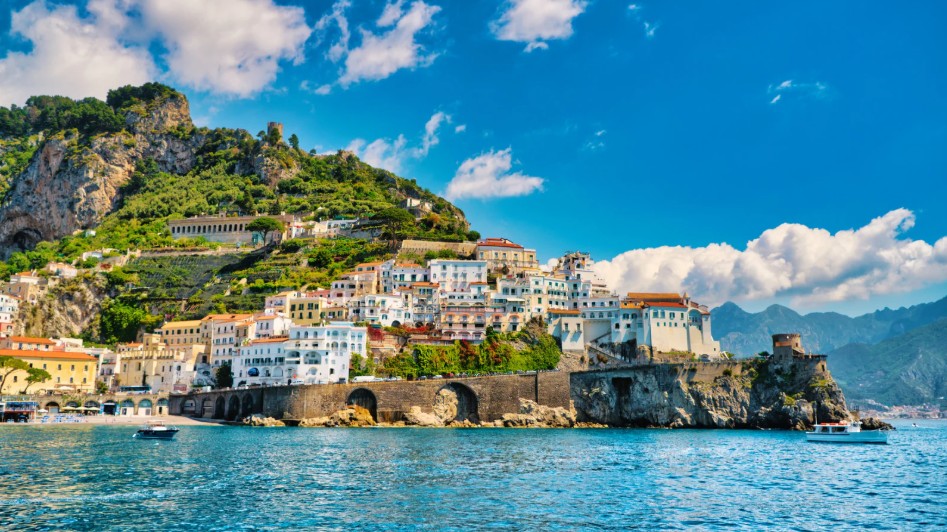
Is Portugal a Good Place to Retire? Pros and Cons Explained Why is Portugal dominating retirement bucket lists? Spoiler: It’s not just the pastéis de nata (though we see you, dessert stans). The real deal lies in practicalities. Particularly a healthcare system ranked among Europe’s best, residency programs made for retirees, and costs of living that stay low even as demand grows. With its borderline unfair combo of Mediterranean vibes, shockingly low costs, and flexible visa programs, Portugal has become one of the top options for retirement. Besides, programs like the D7 Visa and the Golden Visa offer clear pathways for EU and non-EU nationals. However, no destination is perfect. Apart from the goodness, some downsides deserve equal mention, which begs the question, “Is Portugal a good place to retire?” To answer that, we’ll uncover everything you need to know about it. Let’s explore what’s hype, what’s real, and where Portugal truly shines. Is Portugal a Good Place to Retire? Retirement is a time to slow down, explore new opportunities, and enjoy life on your terms. If you’re considering Portugal as your retirement destination, you’re on the right track. But is it the right fit for you? Let’s take a closer look at some key factors to consider. 1. Lifestyle Fit Humans are always racing against the clock, but not really in Portugal. People here find peace in a slow-moving life. They like to soak in the sunrise before going to work. But since we’re talking about retirees specifically, you’ll find the much-needed respite in the slow-paced charm that the country flaunts.  2. Cultural Integration While the people are quite friendly, cultural integration is an issue. For the most part, you’ll struggle with communication barriers. However, there are still some localities where English is pretty common (the Algarve and Lisbon, to name two). However, learning a bit of Portuguese is going to take you a long way. Basic phrases like “Hello”, or “Where is the train station” will help you get started on the right foot with the locals.  3. Financial Planning Portugal is easily one of the most affordable countries to live in Europe. If you’re from a Western country, you’d love the reasonable housing, healthcare, and dining out options. That said, you still need to pay attention to financial planning. Some financial considerations include visa requirements, healthcare costs, and long-term economic sustainability to make sure you live a stress-free retirement. Pros of Retiring in Portugal  Portugal’s retirement appeal is a calculated blend of practicality and perks, which is why people from all over the world are flocking to the country. While there are many pros of retiring in Portugal, here are just a handful of areas where it shines: 1. Affordable Cost of Living The cost of living is the USP of Portugal. Everything from housing to healthcare facilities and food is quite affordable when compared to other Western European countries. Portugal’s smaller cities offer one-bedroom apartments from €500/month, while a three-course lunch with wine costs around €12. Public transport? A monthly Lisbon metro pass costs less than a single London-to-Heathrow Uber ride. You’ll be surprised when you compare the prices of buses, trains, and trams in Portugal with those in the US or UK.  2. High-Quality Healthcare System Ranked pretty high globally, Portugal has a public healthcare system (Serviço Nacional de Saúde - SNS), which provides universal coverage, and a private healthcare system offering faster services and specialized care.  3. Safe and Peaceful Environment After working your whole life, all you crave is safety and peace. The good news is that Portugal has consistently been ranked in the Global Peace Index’s top 10 since 2014. This means walking alone at midnight isn’t a dare. Low violent crime, zero political chaos, more peace. 4. Beautiful Beaches, Cities, and Scenery  There’s nothing quite like spending your golden years by the beach. The scenes are so cool that you won’t be able to resist taking pictures every other second and sharing them with your friends and family back home. And who doesn’t love an exquisite cityscape? Beaches, cities, and sceneries are all packed into one location.  5. Friendly Expat Communities Many retirees spotted Portugal as the perfect place to hang up their boots and call it their home, which means you’re not alone. Algarve, Cascais, and Porto are some of the popular destinations with most retirees. Expats in these areas regularly host meetups, cultural events, and social clubs, making it super easy to plug in, connect, and build lasting connections. 6. Tax Benefits for Foreign Retirees Portugal’s Non-Habitual Resident (NHR) regime, which provided tax benefits for retirees, ended in 2024. This means now there’s a new program called the Incentivized Fiscal Incentive for Scientific Research and Innovation (IFICI). While it doesn’t bring with it the broad tax benefits of the NHR, it also doesn’t take away the fact that Portugal’s general tax rates remain lower than many Western European countries. Pension income is now taxed at standard Portuguese rates, which are still relatively low. And the good thing is, Portugal maintains tax treaties with various countries to prevent double taxation. While retirees lose specific perks, the country’s overall tax scene remains pretty competitive. 7. Easy Travel Across Europe If you’re a sucker for traveling, you’d love the amazing connectivity of Portugal with the rest of Europe. The Schengen visa allows you to visit about 26 countries in Europe, including some popular names like Rome, Paris, and Madrid. London is also just a stone’s throw away. A European adventure is always on the charts if you’re living in Portugal.  8. Access to Residency Visas Like the D7 and Golden Visa Portugal makes it easy to get residency through amazing visa programs. For one, you have the D7 visa, also known as the passive income visa. If you have a stable income through a pension or an investment, you can get a Visa in Portugal, provided your income is a minimum of €760 per month.  Another great visa option is the Golden Visa, which allows you to get residency in the country if you make a property or other qualifying investment of about €500,000. It’s an easy pathway to gaining Portuguese citizenship after 5 years.  Cons of Retiring in Portugal Yes, Portugal is great. But does it come without challenges? Nope. No place does. However, if you know these challenges beforehand, you can come up with an action plan to deal with them. Here are some cons you must be aware of: 1. There Can Be a Language Barrier While English is widely spoken in the country, Portuguese remains the national language in the not-so-tourist areas. If you’re planning to live in the rural areas, having some Portuguese phrases up your sleeves will take you a long way.  Some phrases you could learn include: Olá (Hello) Obrigado/a (Thank you) Como vai? (How are you), Posso comer um pouco de pão (can I have some bread).  You can also enroll in a Portuguese class to get the basic hang of the language and make your day-to-day life relatively easy.  2. Slow Government Bureaucracy In terms of bureaucracy, Portugal is not as good as Western countries. You’d find getting your driver’s permit challenging due to long wait times and requiring multiple visits to the office. The same applies to getting your residency visa or healthcare registration. For someone coming from the Western world, you’d find this annoying, but it grows on you. It’s still an important consideration, though. 3. Rising Housing Costs in Popular Areas Due to many expats, digital nomads, and investors moving to popular areas like Lisbon, Porto, and the Algarve, the rates of houses have significantly shot up. In Lisbon and Porto, the rates have skyrocketed, making them really expensive places to stay. If you’re looking for a more affordable option, consider moving to smaller localities like Alentejo, Aveiro, Montijo, or Figueira da Foz. 4. Cold and Damp Winters (Especially in the North) While Portugal is known for its sunny weather, the winters, particularly in the North, can be extremely chilly and damp. What makes this worse is that most of Portugal doesn’t have a central heating system like in the US or the UK. Instead, there are space heaters and fireplaces. Humidity is another concern, which makes the older homes really damp. While southern Portugal (Algarve) enjoys milder winters, areas like Porto and Braga can experience rainy, chilly months that some retirees may find uncomfortable. If you don’t like cold, consider moving to a place with heating options to keep you warm on cold nights.  5. Higher Energy Costs Compared to the US One thing you need to be aware of before considering Portugal as your next home is the high energy bills. The lack of efficient heating options can lead to a high electricity bill. In fact, Portugal is infamous in Europe for their high electricity prices. Gasoline prices are also significantly higher than in the US, making driving more expensive. Some retirees opt for solar panels or alternative energy solutions to reduce costs. Being mindful of energy consumption and choosing a home with good energy efficiency can help manage expenses. Cost of Living Breakdown for Retirees in Portugal Portugal is known for its affordable living, but you must be aware of the costs to make smart decisions. For example, knowing the rents in the most popular districts will help you choose the most cost-effective location to spend your lifetime once you retire. Here’s a detailed breakdown of the cost of living for retirees in Portugal: 1. Housing and Rent Prices  Just like any other place, pousing and rent prices in Portugal depend on which locality you’re living in. For example, in Lisbon & Porto, renting a one-bedroom apartment costs you anywhere between €900-€1,500 per month. If you’re thinking of buying a property, it could cost you anywhere between €4,000-€7,000 per square meter. If this is way over budget, there are also some affordable options to consider in smaller cities. In Braga, Coimbra, or Évora, you only have to pay about €500-€800 per month with the property prices relatively lower as well. Rent in retirement-friendly regions like Faro, Lagos, or Tavira falls between €700-€1,200 per month, depending on proximity to the beach. The most affordable option is to live in the rural areas, where you’d only have to pay €400-€600 per month. Portugal has something both on the lower and the higher end, so ultimately, it all boils down to your budget.  2. Groceries, Dining, and Daily Expenses You’d love to go Grocery shopping in Portugal, as the prices of groceries are considerably lower, at least when compared to Western countries. Here are some average prices of groceries, diving, and transportation: Grocery ShoppingBread: €1 per loafMilk: €0.90 per literEggs: €2 per dozenFresh fish: €5-€12 per kgChicken: €6 per kgDining OutA meal at a local restaurant: €10-€15 per personMid-range dining: €25-€40 per coupleA cup of coffee: €1-€1.50A beer or glass of wine: €2-€4TransportationYou can get a monthly pass for bus, train, and metro for as low as €30-€50. Uber and other cab services are also fair in their rates, with a short trip costing you about €5-€10.  3. Healthcare and Insurance Costs Portugal has a public healthcare system called the SNS – Serviço Nacional de Saúde. All EU citizens can access it. While non-EU retirees can also access public healthcare, they usually prefer private services due to shorter wait times and many English-speaking doctors. Private insurance costs €40-€150+ per month, depending on age and coverage. More on this below. Healthcare in Portugal: What You Should Know Portugal’s healthcare system is a key reason it tops retirement lists. Here’s a breakdown of it, keeping affordability, speed, and English-speaking doctors in mind (no sugarcoating): 1. Public Healthcare (SNS) Serviço Nacional de Saúde is Portugal’s taxpayer-funded healthcare system, open to all legal residents (including retirees with residency visas). Here’s the good and bad of it: The GoodThe BadSeveral services are almost free, while some require a small co-payment. Longer wait times for specialist appointments and non-urgent procedures.It includes general practitioners, specialists, hospital care, and emergency services.Limited English-speaking doctors, so you’re lucky if you get one.It’s ranked 23rd globally by the 2024 World Index of Healthcare Innovation.Some prescription medications are subsidized, but not all are free. 2. Private Healthcare If you want fast access to healthcare services, private healthcare may be the way to go. Here are the benefits and challenges of it: The GoodThe BadShorter wait times, even for surgeries, specialist consultations, and diagnostic tests.More expensive than public healthcare.More English-speaking doctors, so no need to slip over your “por favor” while speaking to the staff.If you’re visiting without insurance, you’d have to pay anywhere from €50-€150 for one consultation with the doctor.High-quality facilities, because “private,” after all. Private Health Insurance Costs Many retirees prefer to take private health insurance to reduce their overall medical bills. Here’s how the pricing goes.  Basic coverage: €40-€60 per month Comprehensive coverage: €80-€150 per month Premium insurance for older retirees: €150+ per month How Health Coverage Works for Expats The type of healthcare coverage available to you depends on various factors, including residency status, nationality, and whether you are from an EU or non-EU country. European Union (EU) and European Economic Area (EEA) citizens can use their European Health Insurance Card (EHIC) for short-term stays.  Long-term residents from the EU/UK can register for SNS coverage by obtaining a Número de Utente (healthcare user number) at their local health center. UK citizens can access NHS-funded healthcare in Portugal under the S1 form if you’re a pensioner receiving a UK state pension.  Non-EU citizens need private health insurance before applying for a residency visa (such as the D7 Visa or Golden Visa). However, once you obtain legal residency, you can register for public healthcare (SNS).  Best Places to Retire in Portugal  The places to explore are abundant for retirees. Each place has its unique charm, lifestyle, and cost of living. Here are the top places you can choose as your second home: 1. Lisbon - A Blend of City Life and Culture Being the capital city, Lisbon is a high-energy place where people love to retire. City life and culture converge here with the concentration of some of the biggest historical places. It has world-class museums with Fado music. You’d also fall for the city’s infrastructure, the well-connected transport system and shopping centres. On the downside, it’s pricey. With the rent prices reaching an all-time high, you might struggle to land on the right accommodation for your needs. But if money is not the issue, then hands down, go ahead with this place. ProsCons15+ UNESCO sites, Fado bars, and highly rated food scene in Europe.The average rent for a 1-bed is about €1,800/month.Private hospitals (e.g., Hospital da Luz) with English-speaking staff.Packed trams, inflated prices, and too many tourists.45-minute flights to Madrid, Paris, and Morocco. 2. Porto - Affordable, Scenic, and Laid-Back If you’re looking for Lisbon perks but not-so-Lisbon prices, Porto might be the option for you. It has a relaxed and laid-back atmosphere with stunning scenery. It’s also home to the famous Port wine, so if you are a wine enthusiast, you’ll have a ball. On the downside, winters are cooler and wetter here. ProsConsCheaper 1-bed living rents compared to places like Lisbon.150 rainy days/year, averaging 48°F (9°C) in winter.One of the safest cities in Europe.Less English fluency outside tourist zones. 3. The Algarve - Sun, Beaches, and Golf The Algarve is known for its stunning coastline, and expansive expat community. Many retirees from the US, UK, and Germany have found a haven in this place. You’ll feel right at home. It gets over 300 days of sunshine per year with warm winters. You’ll also find some of the most exquisite beaches here. The USP of this place is its golf courses. Many retirees love to play golf, and if you relate to that, consider making the Algarve your retirement home.  ProsConsOver 3,000 hours/year of sunshine.There can be seasonal chaos during July and August due to tourist spikes.More than 100,000 retirees who are mostly British/German.More than 40 gold courses. 4. Cascais - Upscale Living by the Coast Cascais is an amazing alternative to Lisbon. If you fancy living by the beach, you won’t find a better spot. It’s incredibly well-maintained and has an excellent healthcare system. Moreover, it's close to Lisbon, so you can also enjoy the perks of the capital city without breaking your bank. ProsConsSeveral Blue Flag beaches within 10km.2-bed apartments average €2,500/month.Quick 30-minute train to Lisbon (€2.30/ride).There can be limited space, and there’s competition for rentals due to the high number of residents. 5. The Silver Coast - A Quieter Alternative Want to live by the coast without much of a crowd? The Silver Coast is your guy. This region includes towns like Nazaré, Óbidos, and Caldas da Rainha. It’s much more pocket-friendly than places like Lisbon or the Algarve. Since there are fewer tourists here, you’ll be able to relish the authentic local lifestyle. However, you also have to prepare for the smaller English-speaking population.  ProsConsLower 1-bed rents, starting from just €450.There’s only 12% English fluency.10x quieter beaches than places like the Algarve.There are fewer healthcare specialists.Various medieval villages + UNESCO sites. Visa and Residency Options for Retirees in Portugal Retiring in Portugal is a dream of many, and now it can be your reality. The country offers two main visa programs to allow retirees to get residency - D7 and Golden Visa. Let’s learn more about them: 1. The D7 Visa  D7 visas are designed for retirees who have a stable passive income coming their way, either through pension, investments, or rental properties. It allows you to live in Portugal full-time with free movement in the Schengen region. You can also access the public healthcare system, SNS. After 5 years, you can apply for permanent residency and make it your retirement home.  2. Golden Visa Program  The Golden visa program is ideal for those who don’t want to commit to Portugal but still want to stay once in a while to take in the beauty of the place. To avail of this program, you must make a significant investment in the country, after which you can be granted a minimum of 7 days per year to stay in the place. It can lead to permanent residency and even citizenship, and you also get the option to include family members. Ready to Retire in Portugal? Bitizenship Can Help To be real, navigating Portugal’s visa process can feel a little daunting. Thankfully, Bitizenship exists, and this is exactly where we step in. Our team specializes exclusively in the Golden Visa program and opens access to the Unbound Fund, which is a private equity investment fund that makes it easier for global citizens like you to attain the Golden Visa. Here’s how we simplify the entire process: Golden Visa Strategy: Personalized guidance based on your retirement goals and financial situation. Smooth Paperwork: From investment documentation to SEF scheduling, we handle the bureaucracy for you. On-the-Ground Support: Access to trusted lawyers, tax experts, and real estate partners who know the local landscape inside out. With Bitizenship, you’re unlocking a stress-free roadmap to Portuguese residency, backed by a high approval rate and on-the-ground expertise. Get in touch today to invest in Portugal Golden Visa. Closing Thoughts  Portugal’s blend of affordability, sun-drenched coasts, and retiree-friendly visas makes it a top contender for your golden years, but it’s not a one-size-fits-all paradise. Each city comes with trade-offs: rising rents, bureaucratic quirks, or winters that demand more than a sweater. It’s important to align your priorities (budget, language tolerance, healthcare needs) with the right locality. Build connections with expat hubs, learn a handful of local phrases, and pack patience and maybe a space heater. FAQs What are the cons of retiring in Portugal?  Every place comes with its challenges. When in Portugal, you’d likely struggle with the language barrier, slow bureaucracy, rising housing rates, and high energy costs. Other than that, it’s an incredible place to retire in.  How much money do you need to retire in Portugal? Portugal has affordable housing, healthcare facilities, and grocery prices. This means you only need an average of €1,500 to €3,000 per month to thrive in Portugal as a retiree.  Which part of Portugal is best for retirement?  The best place in Portugal to retire depends upon your needs and requirements. If you’re looking for a rich culture, historical significance, and modern amenities, Lisbon would be ideal. On the other hand, if you’re looking for affordable living, Porto is a great alternative. For the beaches and sun, consider The Algarve. Is it better to retire in Spain or Portugal? Both Portugal and Spain are excellent places to retire, but there are some key differences between the two. For one, Spain is slightly more expensive than Portugal, but the healthcare system is better and more efficient in the former. And while Spanish is widely spoken in Spain, English is quite prevalent in the country, more than in Portugal. However, Spain imposes higher taxes on foreign income. The choice boils down to your requirements. 

19 MIN READ

How to Live in Portugal as an Expat or Digital Nomad
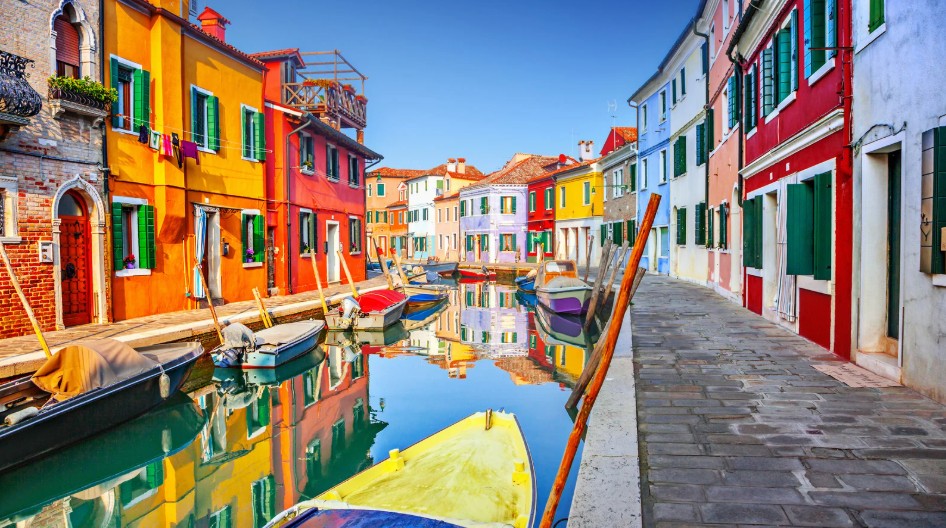
How to Live in Portugal as an Expat or Digital Nomad If you, like many others, came back from a Portugal vacation thinking that you’ve found your place, and you started wondering how to live in Portugal, we have news for you.  An increasing number of expats, digital nomads, and retirees make that same move each year, but not only for the weather and culture. Portugal offers residency pathways that are accessible, a healthcare system that works, and a legal environment that’s foreign-income-friendly. Now, it’s not as simple as booking a flight and staying long-term, you will need a visa and the right paperwork, but with the right knowledge, you can make your dreams come true. Residency Options: How to Live in Portugal Legally If you want to understand how to live in Portugal long-term, residency is the key. The country offers several legal pathways that cater to different profiles: remote workers, retirees, investors, students, and family members.  But which one fits your situation best? D7 Visa - For Passive Income and Retirees This is Portugal’s most popular visa for retirees and anyone with passive income (from pensions, dividends, or rental properties). Minimum Income Requirement (2025): Applicant TypeMinimum Monthly Income*Main Applicant€870Spouse/Partner+50%Dependent Child+30% per child *Based on 100% of the Portuguese minimum wage. These figures may rise. Key perks: Path to permanent residency and citizenship Visa-free travel Access to public healthcare (SNS) Approval depends on more than income; you need proof of accommodation in Portugal, a clean background, and a bank account with a couple of thousand euros. Most rejections happen when applicants rush or submit vague financials. If you’re planning retirement and this option interests you, read more in our blog: Is Portugal a good place to retire? Digital Nomad Visa - For Remote Workers Launched in 2022, the D8 visa in Portugal is meant for remote workers earning income from outside Portugal. Requirements: Monthly income of at least €3,480 gross Employment contract or proof of freelance work Tax residence outside Portugal This visa is ideal for tech workers, creatives, and freelancers with stable contracts abroad. You can apply for a temporary stay visa (up to 1 year) or a residency visa (renewable up to 5 years). Golden Visa - For Investors Though real estate no longer qualifies, Portugal’s Golden Visa still allows you to live in the country through fund investment or business creation. Golden Visa options (2025): Type of InvestmentMinimum AmountInvestment fund€500,000Company creation with jobs€500,000+Cultural/artistic donation€250,000 Why consider it: Only ~7 days/year of physical presence required Family members included Direct path to EU citizenship in 5 years* *There are some talks currently that the Government is thinking about prolonging this period to 10 years. Other Pathways Family reunification - Join a spouse or parent legally residing in Portugal Student visa - For full-time study; can be extended if you find work Job-seeker visa - 120-day visa to look for work in Portugal Cost of Living in Portugal Living in Portugal comes with real financial advantages, especially when you compare it to other Western European countries.  While Lisbon, Porto, and the beach towns along the Algarve have seen noticeable price hikes in the last few years, the day-to-day cost of living across most of the country remains manageable.  Rent, dining, healthcare, and public services still offer decent value, and there are plenty of ways to make your money go further if you choose your location wisely and understand the system. If you're planning a long-term stay, living in Portugal comfortably often comes down to balancing lifestyle with location.  Inland towns, smaller cities, and less tourist-saturated areas offer a slower pace and fewer crowds; they're also significantly cheaper.  Whether you're relocating solo or with a family, keeping track of recurring monthly costs like rent, utilities, transport, and groceries will help you plan realistically. Average monthly expenses: Rent (1-bed apartment): €550-€1,700 Utilities + Internet: €100-€150 Groceries: €270-€500 Public transport: €45-50 (monthly pass) Private health insurance: €40-€100 Dining out: €8-€15 per meal in a mid-range spot Tips and tricks: You’ll spend less in cities like Évora, Viseu, or even parts of the Algarve. Rent typically drops by 20-30% outside urban cores. Coworking memberships can be pricey, especially in Lisbon or Porto, look into libraries, cafés, or shared Wi-Fi spaces in smaller towns. Watch out for “gringo pricing” when dealing with landlords or service providers, learn basic Portuguese and compare before signing anything. Visa renewals, document translations, and local lawyers can eat into your budget, so plan those bureaucratic costs in advance. The cost of living in Portugal will vary depending on how much space you need, how often you eat out, and whether you’re located in a high-demand area. But, with careful planning and a bit of local knowledge, it’s a place where quality of life and affordability go hand in hand.  Choosing the right city, knowing how to negotiate, and budgeting for more than just the basics can make your experience much smoother and more enjoyable. Living in Portugal: Healthcare, Taxes & Banking Understanding the systems that keep your daily life running, healthcare, taxes, and banking, is just as important as finding a nice place to rent. Here's what people actually deal with when living in Portugal long-term. Public Healthcare (SNS) Portugal’s national health service (Serviço Nacional de Saúde - SNS) covers everything from general consultations to surgeries, at incredibly low prices by international standards.  Once you become a legal resident, you’re entitled to use it, just like a local. A standard doctor’s appointment costs about €5-€10. Emergency room visits are often under €20. Prescriptions are partially subsidized based on need. But there are drawbacks. Wait times for specialists can drag out for months. And if you live in a rural area, the nearest hospital may be 40 minutes away. That’s why many expats get private health insurance (average: €40-€80/month) to skip the queues and access English-speaking doctors. Taxes This is where most foreigners hit a wall. Portugal taxes worldwide income once you’re a tax resident (i.e., spending over 183 days per year here). That includes pensions, dividends, crypto and royalties. The NHR used to be Portugal’s tax system for high-earning expats: 10 years of low or 0% tax on most foreign income. But as of 2024, it’s been phased out for new applicants, replaced by narrower tax incentives tied to specific professions in the new IFICI regime. That means most new residents now need a smart tax plan, often involving: Keeping tax residency abroad (if on a short-term visa) Structuring income through offshore vehicles Working with a Portuguese accountant early (budget €500-€1,000 for setup) Portugal also has a wealth tax on properties over €600,000 (AIMI), but no inheritance or gift tax between family members. Capital gains on real estate can apply unless it’s your primary residence. Opening a Bank Account Opening a Portuguese bank account used to be a bureaucratic maze, but most major banks (Millennium BCP, Santander Totta, Novo Banco) now have English-speaking staff and digital onboarding, especially if you're applying for a visa and need to show proof of funds. You’ll need: NIF (tax number) Passport or residence card Proof of address (can be temporary) Initial deposit Where to Live in Portugal Choosing where to live in Portugal can shape your entire experience. The country is small but diverse. From Lisbon’s energetic vibe to the slow pace of the Alentejo, lifestyle and cost can vary dramatically between regions.  And if you're serious about living in Portugal, don't pick a place based on a vacation, pick it based on infrastructure, long-term costs, and integration potential. Lisbon Lisbon is where most digital nomads and international professionals land first. It has co-working spaces on every corner, excellent transport, and a large expat community. If you work remotely for a tech company or run your own business, this is the most connected base. Keep in mind that housing prices are brutal. Rent for a one-bedroom apartment in central Lisbon is rarely under €1,500. You’re also competing with a tight long-term rental market where many landlords prefer short-term lets or demand six months of rent up front. Best for: remote workers, international families, startup founders.Avoid if: you want peace, space, lower costs. Porto Porto is just as cool, with much of the charm of Lisbon, but with far fewer tourists, and about 20-30% lower rent. It is a go-to place for artists, foodies and people who want a slower pace of life. Infrastructure is also there: a metro system, an international airport, and growing tech communities. Plus, the Douro Valley is an hour away for weekend wine breaks. Best for: solo expats, creatives, freelancers, and couples.Avoid if: you want beach weather year-round, it’s rainy in winter. The Algarve The Algarve is known for sun, golf, and British pensioners. But it’s also one of the most affordable places for a comfortable life by the sea. Towns like Lagos, Tavira, and Alvor now have English-speaking services, good healthcare, and a lower cost of living than Lisbon. Groceries are cheap, and there’s a strong, long-term expat community, especially retirees. Best for: retirees, families, slow-paced living.Avoid if: you need access to international business hubs or dislike heat. Coimbra Coimbra rarely makes the lists, but it’s one of the smartest choices if you want a livable, affordable city with strong healthcare, public transport, and a good mix of locals and foreigners. It’s a university town, so English is widely spoken, and there’s a nice rhythm of cultural life without crowds. You’ll find affordable apartments, walkable neighborhoods, and plenty of nearby nature. Best for: long-term residents, families, students, or early retirees on a budget.Avoid if: you’re looking for a beach or international nightlife. Inland Towns (Dão, Beiras, Alentejo) If you want space, silence, and traditional life, small towns in central Portugal offer incredible value. Stone houses, low property taxes, and locals who actually want you to stay long-term. But this comes with some cons: fewer English speakers, more bureaucracy, slower internet, and fewer public services. If you're not fluent in Portuguese, integration can take effort. Best for: off-grid expats, homesteaders, remote workers with cars.Avoid if: you rely on public infrastructure or modern conveniences. Living in Portugal: The Bureaucracy Knowing how to live in Portugal is not just picking a city and getting a visa. Once you arrive, the real work begins. You’ll have to navigate some pretty slow bureaucracy that only a local lawyer or long-term expat can walk you through. Here’s a step-by-step look at what you actually need to do, in the right order, if you're planning to live in Portugal long-term: Get Your NIF (Tax Number) You can’t open a bank account, sign a lease, or even buy a SIM card in some cases without a NIF (Número de Identificação Fiscal). Open a Bank Account Once you have a NIF, open a Portuguese bank account to transfer funds, set up direct debits, or apply for residency. Most major banks ask for: Passport NIF Proof of address  Employment or income proof (optional for basic accounts) Banks like ActivoBank, Millennium BCP, and Santander Totta are expat-friendly. Expect some form of monthly fee (~€3-€6). Secure Long-Term Housing AIMA (Agency for Integration, Migration and Asylum) expects you to show proof of stable accommodation, not just a booking.com receipt. This can be: A long-term rental contract (6-12 months) A signed letter from a friend/family if you’re staying with them In some cases, a notarized promise of future residence Important: Most leases are still offline and paper-based. Get familiar with Portuguese rental contracts (“Contrato de Arrendamento”) and ensure it’s registered with Finanças, or it may be rejected for residency. Register with Your Local Freguesia Once you’ve got an address, register with your freguesia (civil parish). This gets you the Atestado de Residência, often required for things like: Changing your driver’s license Enrolling kids in school Applying for a health number (Número de Utente) It’s a small but crucial document that proves you’re actually living where you say you are. Most freguesias require: Passport Lease or utility bill Two Portuguese witnesses (varies) Apply for Your Residence Permit If you came in on a visa, you’ll be scheduled for an in-country AIMA appointment, often 60-90 days after arrival. Bring: All original documents submitted during visa process Passport Proof of residence NIF, bank statements, and proof of health coverage Tip: Photocopy everything. Twice. And always expect delays. Get Your Utente Number (Healthcare Access) If you’re a legal resident, you qualify for public healthcare. You’ll need a Número de Utente, which you can get at your local health center (Centro de Saúde). Bring: Passport + residence card NIF Atestado de Residência Proof of address Exchange Your Driver’s License (If Applicable) Americans and Brits can drive on their home license for 185 days, after which they must swap it for a Portuguese one. The process varies depending on your home country’s agreements with Portugal.  UK citizens are covered by a simplified swap deal; Americans will often need a medical exam and an apostilled driving record. This is where a lot of expats get stuck, because no one gives them a clear roadmap. Miss a step or show up at the wrong time, and you’re rescheduling appointments two months out. How to Live in Portugal - Pros and Cons There’s no shortage of Instagram reels romanticizing living in Portugal, but behind the coastal drone shots and “digital nomad” hashtags, daily life is slower, more layered, and often contradictory. The Good Stuff  The lifestyle is healthier You walk more. You sit down for meals. The food isn’t pumped with additives. Even in cities, no one’s rushing to their fourth side hustle or eating lunch at their desk. A €9 lunch menu (soup, main, drink, dessert) is standard across most towns. It's safe, day and night Portugal ranks as one of the safest countries in Europe. Petty theft happens, especially in tourist zones, but violent crime is rare. You can walk home at 1 a.m. in Lisbon without worrying, something many Americans or Brits notice immediately. English is widely understood in urban areas Especially in Lisbon, Porto, and the Algarve. That said, learning Portuguese, even basic phrases, makes daily life dramatically smoother. Locals appreciate the effort, and it helps with bureaucracy and integration. Nature is easy to access Surfing before work, weekend hikes in Sintra, and wine tastings in the Douro. Portugal has beaches, mountains, and forests, and you don’t need a car to reach most of it. The Bad Stuff The bureaucracy can break you Even with a visa in hand, you’ll still face outdated systems: appointments that take months, offices that require in-person forms, and online platforms that glitch constantly. Many expats end up hiring lawyers or relocation agents just to manage things they should be able to do themselves. Salaries are low If you’re planning to work locally, expect average wages of €900-€1,300/month unless you’re in a specialized field like tech or medicine. That’s why most expats rely on remote work or passive income. If you don’t have a reliable income source in place, you will struggle. Customer service runs on its own clock Don’t expect Amazon Prime speeds, 24/7 support, or fast responses to complaints. The pace is slower, and you’ll either adapt, or drive yourself mad. “Tomorrow” can mean next week. “We're looking into it” might be the end of the conversation. Winter can be damp Portuguese homes aren’t built for winter. Central heating is rare. Insulation is minimal. If you move there expecting California-like comfort, be ready to spend a few cold, humid months indoors. Buy a dehumidifier, seriously. How to Live in Portugal as an American, Brit, or Other Nationality The basic process of how to live in Portugal applies to everyone: get a visa, register your residency, and sort out your finances. But your citizenship changes the paperwork, rights, and speed at which you can get things done. Here's what Americans, Brits, and other nationals need to know. Americans Living in Portugal Americans don’t have special agreements with the EU, so everything hinges on your visa. The D7 visa is by far the most popular route for retirees and remote workers, but the Digital Nomad Visa is getting more popular for higher earners. Key tips: Bring an FBI background check, apostilled (takes ~4-8 weeks) U.S. documents often require translation + apostille Get your NIF and open a Portuguese bank account before applying, even from abroad Banking tip: Americans face FATCA compliance, so some banks are hesitant. Millennium BCP and Santander Totta tend to be the most US-friendly. Brits Living in Portugal (Post-Brexit) Before Brexit, British citizens could live and work in Portugal freely. Now, you're considered a third-country national, same as Americans. That means visa requirements apply. Key points: UK citizens still benefit from the mutual recognition of driver’s licenses There's a streamlined path for healthcare access, especially for pensioners with an S1 form If you lived in Portugal before 2021, your rights are protected under the Withdrawal Agreement For retirees, the D7 visa remains the most straightforward. For remote workers, the Digital Nomad Visa works if your income is above the €3,480/month threshold. EU Citizens Living in Portugal If you’re from France, Germany, Italy, Spain, or any EU country, you don’t need a visa to live in Portugal. But you do have to register your residence if staying longer than 90 days. Here’s what’s required: Proof of income or employment Health insurance (public or private) Proof of address Registration with your local Câmara Municipal (town hall) That gets you your Certificado de Registo de Cidadão da União Europeia, valid for 5 years. Brazilians and Lusophone Countries Citizens of Brazil, Angola, Mozambique, and other Portuguese-speaking countries often benefit from simplified residency and work rights under the CPLP (Community of Portuguese Language Countries) agreements. Brazil, in particular, has reciprocal deals allowing easier visa processing and recognition of documents. Other Common Nationalities: NationalityNotesCanadiansFollow similar path as Americans; apostille via Global Affairs Canada requiredAustraliansEligible for D7 and Digital Nomad visas; all documents need to be apostilledSouth AfricansVisa processing times often longer; watch for delays in AIMA appointmentsUkrainians/RussiansSpecial humanitarian considerations may apply for Ukrainians; Russian citizens face increased scrutiny If Living in Portugal is Your Goal, Bitizenship Can Help If you’re exploring long-term options for living in Portugal, then at some point, you’ll want to move beyond residency and think about full Portugal citizenship.  That’s where Bitizenship comes in. We specialize in helping clients secure Portuguese residency and eventual citizenship through a crypto-compatible investment route: the Unbound Fund, a fully qualifying vehicle under Portugal’s current Golden Visa rules.  And it’s ideal for you, if you want a clear path toward an EU passport. Our team handles every step of the process, starting with fund onboarding and legal structuring, and continuing all the way through document preparation, AIMA scheduling, and coordination with trusted Portuguese immigration lawyers and tax professionals. We make sure everything is compliant, efficient, and built around your personal goals, whether that’s diversifying your citizenship portfolio or simply setting up a more stable future abroad. If your goal is long-term EU mobility, greater financial freedom, and a strategic Plan B for your family, we’ll help you get there, with clarity from day one to your Portuguese passport. Final Thoughts Still wondering if Portugal's right for you? It probably is. Portugal almost has it all. The paperwork is clear. The cost of living stretches your budget without lowering your quality of life. The pace is slower, and the lifestyle is better. You can walk more, eat better, and still afford a decent place to live. It’s not perfect. Things move slow, and some systems are outdated. But if you’re looking for a place that offers stability, safety, and a real chance to build a new chapter, Portugal delivers. FAQ About Living in Portugal Can a foreigner live in Portugal? Yes. Foreigners can live in Portugal by obtaining a legal residency permit, usually via a visa like the D7 (passive income), Digital Nomad Visa, or Golden Visa. EU citizens don’t need a visa but must register locally after 90 days. Can you live in Portugal on $2,000 a month? In most places, yes, especially outside Lisbon and Porto. Rent in cities like Coimbra, Braga, or inland towns can be under €600. Just budget carefully for utilities, transport, and private healthcare if needed. If you're a couple, $2,000 is tight but still manageable outside urban hotspots. Is moving to Portugal difficult? The move isn’t difficult, but the bureaucracy is. Getting a visa is only step one. After arrival, you’ll face multiple appointments, registration steps, and systems that don’t always talk to each other. It’s manageable with research or help from a relocation professional. Is it easy to live in Portugal? Day-to-day life is peaceful, safe, and affordable compared to most of Western Europe. But integration takes effort, especially with language and paperwork. It's “easy” once you’ve set everything up properly and accepted the slower pace. How to live in Portugal as a foreigner? Secure a visa (D7, Digital Nomad, etc.), arrive with your documents in order, register your residency locally, and set up essentials (bank account, healthcare, housing). Staying long-term requires meeting income thresholds and renewing your permit every 2 years until you qualify for permanent residency. How to live in Portugal as an American? Apply for a D7 or Digital Nomad visa at a Portuguese consulate in the U.S. You’ll need proof of income, a Portuguese bank account, and NIF. Once approved, move to Portugal, register with AIMA, and complete local formalities like getting a Utente number for healthcare. How to live in Portugal as a UK citizen? Post-Brexit, UK nationals must follow standard third-country rules. Apply for a long-stay visa before arrival. If you lived in Portugal before 2021, different rules apply under the Withdrawal Agreement. D7 and Digital Nomad visas are the most used paths. What are some bad things about living in Portugal? Long waiting times for public services (healthcare, AIMA appointments)Poor insulation in many homesSlow or inconsistent customer serviceRental market shortages in Lisbon/PortoComplicated bureaucracyStill, most expats consider these tolerable trade-offs for the lifestyle and cost of living. Can I live in Portugal for just 3 months? Yes, with a tourist stay, no visa needed for most nationalities. Just don’t overstay your 90/180-day Schengen limit. You can’t legally work for a Portuguese employer, but remote work for foreign companies is generally tolerated.

20 MIN READ

Join us.
Welcome to a global community.

FAQ

(3)

Yes, we coordinate with trusted law firms and advisors to streamline the entire process for you.

Visit the official Unbound Fund website for detailed insights into Unbound Fund.

We focus exclusively on Portugal’s program, offering unmatched flexibility and strategic advantages.