Why Millionaires Are Suddenly Moving to the Mediterranean
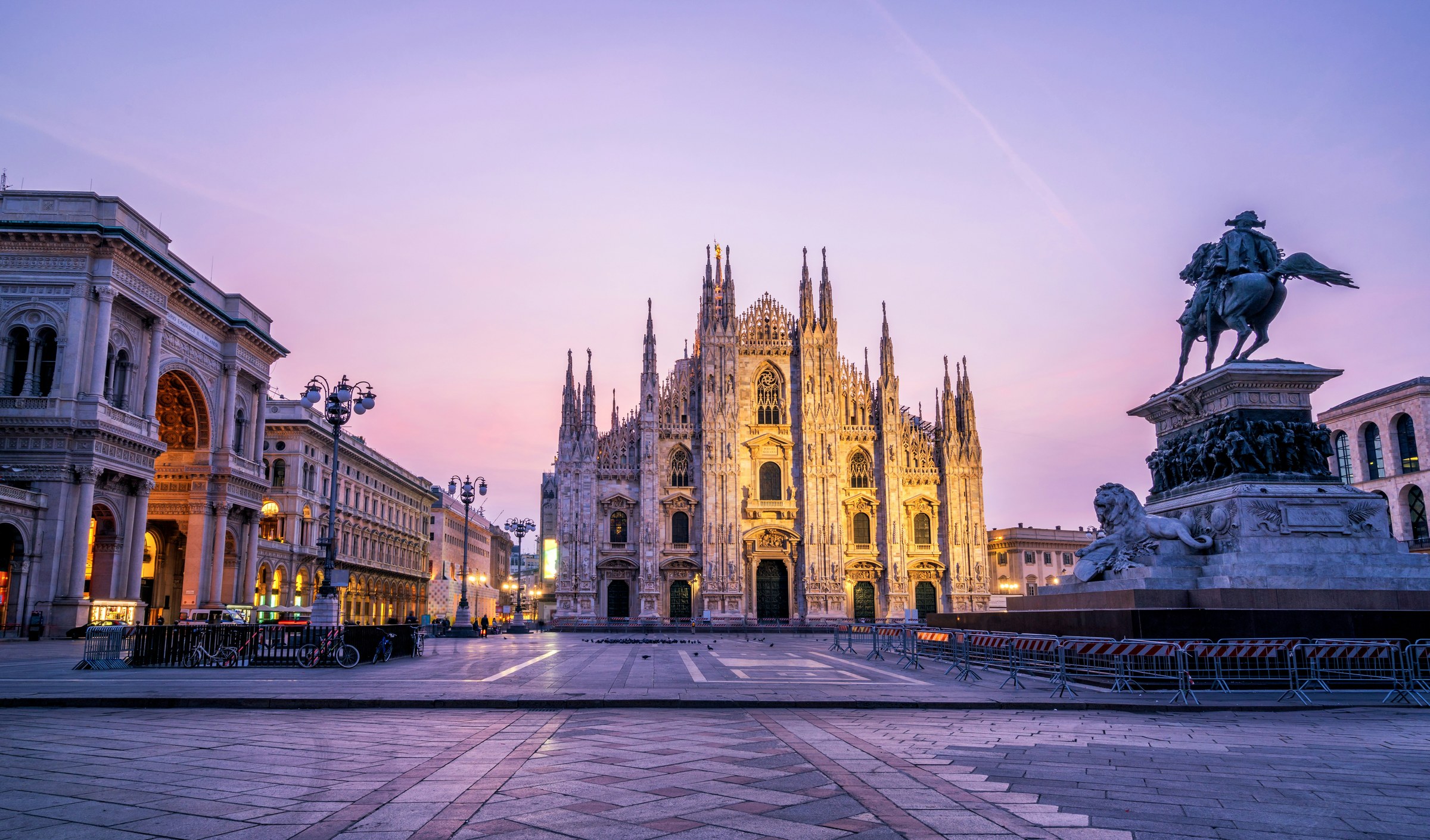
Millionaires are leaving America, the UK, France and Germany. They are going east, but not exactly where you would think.
A large share of that capital is stopping in Europe. More precisely, in the Mediterranean: Italy, Greece, Portugal. The 2026 Henley & Partners Wealth Migration Report has a name for it, the "Mediterranean quiet ascendancy", and the numbers behind it are remarkable.
I think we are watching a structural shift in how wealth gets distributed around the world, in real time. Call it a Mediterranean bull run: still early in the cycle, in my view, but not for long.
This article covers where wealth is actually moving into 2026, why certain countries are winning, and what it means if you are building your own plan right now.
If you prefer the video version, watch it here:
What the Henley report actually says
Every year Henley & Partners publishes the most comprehensive wealth migration report in the world. It tracks where high-net-worth individuals move, why, and what drives the decision.
The 2026 edition matters because, for the first time, several trends converge at once:
- Wealth is moving east, out of the US, the UK and parts of Western Europe.
- The Gulf remains dominant. The UAE is still one of the top destinations globally.
- Switzerland keeps attracting the ultra-wealthy, as it always has.
- A huge portion of the flow is landing in the Mediterranean, and Italy is named as the clearest case.
The Mediterranean part will surprise many. For years the narrative has been that Southern Europe is finished: overregulated, overtaxed, aging, no innovation. The data says the opposite. Wealthy families are choosing these countries, and choosing them on purpose.
The pressure in the countries people are leaving
Most of this movement is a direct response to policy. What has changed in recent years is speed. Wealth mobility decisions that used to take years to play out now happen in months. A government changes a tax rate or closes a visa route, and within a quarter you see it in the migration data.
Where is the pressure coming from?
United Kingdom. The non-dom regime, which for decades let wealthy foreigners live in Britain without UK tax on overseas income, was abolished. The Tier 1 investor visa was shut down. Inheritance tax changes hit internationally mobile families. For the first time, London is a place wealthy families are actively leaving rather than trying to get into. According to Henley, much of that outflow is heading to Italy, and a lot of it to Milan specifically.
France. In October 2025, France came within a single vote of adopting citizenship-based taxation: taxing French citizens on worldwide income wherever they live, the way the US does. The vote failed, but getting that close sent a signal. Wealth tax proposals remain part of the fiscal conversation.
Spain. Ended its golden visa in April 2025 while keeping its wealth tax.
Germany. Continues to debate wealth taxation, with significant inheritance and exit tax exposure.
Norway. The wealth tax has already triggered visible relocation. Roughly 300 wealthy Norwegians have left since the rate was raised in 2022, most of them to Switzerland. The hike was projected to raise about €146 million. Estimates suggest it cost the country several times that in lost revenue.
Each of these is a legitimate policy choice. The cumulative effect is that a certain type of family, internationally mobile, asset-heavy, thinking in decades, is looking at Europe and asking: where can I still build with certainty? Where is the framework predictable? Where will the rules I enter under still be the rules I live by in ten years?
That question leads, more often than people expect, to the Mediterranean.
The two layers of Southern Europe
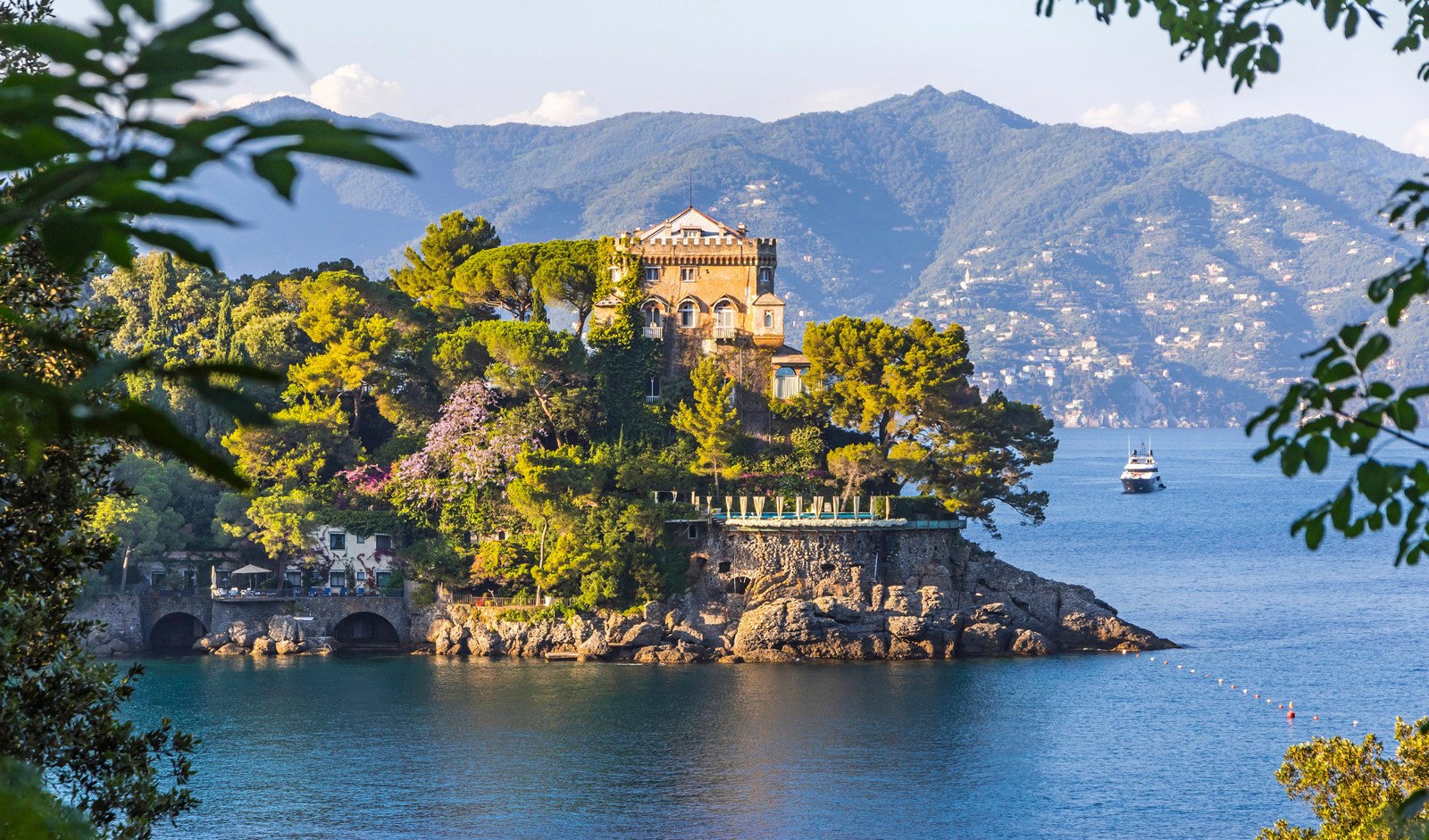
Here is what I think most people miss about the Mediterranean, and about Southern Europe in general. These countries have two layers.
If you are inside the system by default, a regular citizen, a local taxpayer, someone who has lived there their whole life, you are often close to punished. High taxes, bureaucratic burden, limited upside. Italy's top income tax rate is 43%. Greece's is 44%. These are high-tax countries for the people who live there by default.
Then there is a second layer. It only opens if you opt in, at the right time, through the right framework. Italy's flat tax for new residents. Greece's pension regime. Portugal's investment-based residency.
Enter through one of these doors and you get the same lifestyle, the food, the coastline, the culture, the quality of life, with a completely different set of rules. The gap between the two layers is the arbitrage, and it is what makes these programs so compelling right now.
One clarification before we go country by country. I would prefer a world where each of these places lowered taxation and made life easier for local entrepreneurs, and I think each country would be better off for it. But those are long-term structural shifts. What exists today is the framework as it stands, and that is what I have to advise on.
Where the money is going
Italy: the clearest case

Italy ranks among the top destinations globally for millionaire inflows, and the profile of who is coming has shifted. It is increasingly concentrated among ultra-high-net-worth individuals, well beyond retirees and lifestyle movers.
Why? Because Italy built a framework almost nobody else can match right now.
The flat tax regime for new residents charges a fixed annual amount on all foreign income, no matter how large. It was €100,000 a few years ago. Then €200,000. As of January 2026 it is €300,000 per year, plus €50,000 per additional family member. You can run it for up to 15 years. No foreign wealth tax, no reporting of foreign assets, and firm grandfathering: if you entered under the old price, you keep it.
For a family earning €10 million abroad, the math is simple. In the UK that is roughly €4 million in tax. In Italy, under this regime, it is €300,000.
What makes Italy different from most tax-friendly jurisdictions is that you actually want to live there. This is Italy, with the food, the culture, the architecture, the coastline, the life. I am biased, of course, but the combination of genuine tax competitiveness and one of the most desirable lifestyles on earth is one almost no other country can offer.
Greece: the second Mediterranean story
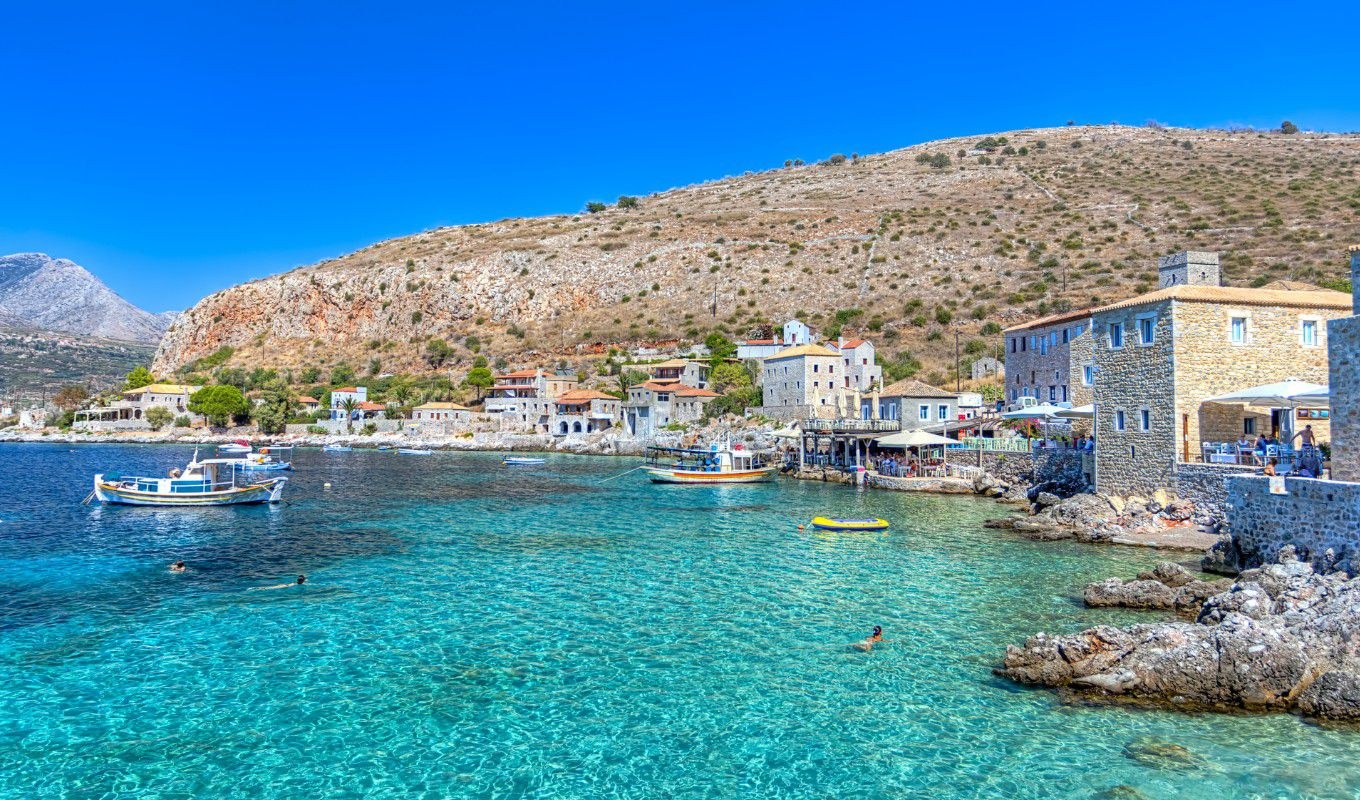
Greece's 7% flat tax on foreign pensions runs for 15 years. The golden visa still operates, though at higher thresholds (€800,000 in the main areas). And the lifestyle, from Crete to the Peloponnese to the islands, competes with Italy for anyone whose priority is warmth, cost of living and quality of life.
Switzerland: stability and precision

Switzerland continues to attract the ultra-wealthy through lump-sum taxation in certain cantons. Entry points are high, and the proposition is different: you are paying for stability and precision, not always for sun and lifestyle. Lugano, in my view, is a great compromise between the two.
The Gulf: the tax-zero default

The UAE continues to dominate as the tax-zero default, with world-class infrastructure and connectivity. But the report notes something important. Rather than relying on a single jurisdiction, families are increasingly combining an established Gulf base with additional residencies and citizenships in Europe, and the current geopolitical situation has accelerated that.
They are layering. And that is exactly the dynamic feeding the Mediterranean flow.
If Italy is the destination, what is the mechanism?
People ask me this every week. If Italy is where the wealth is going, how do you actually get in?
For many, the answer is the Italy Investor Visa.
The startup route requires a €250,000 equity investment in an Italian Innovative Startup. The visa is valid for 2 years and renewable for 3-year periods. There is no minimum stay requirement to maintain it. And the critical feature: you invest after you are approved. Capital is transferred only after the Nulla Osta and the consular visa are issued, so your money is never committed before the government says yes.
I did a full deep dive on the program in a recent Substack piece. The short version is that demand has surged. Applications hit a record in 2025, and the word from practitioners is that the first months of 2026 have already exceeded it.
That shows up in the queue. The Nulla Osta, the pre-approval stage, used to clear in a matter of weeks. Today I would budget 1 to 3 months for that stage alone, which puts the full process at roughly 6 to 9 months in current conditions. The program has not changed. The queue has.
How Bitizenship runs the Italy route
At Bitizenship we run the Italy Investor Visa process end to end. For investors who want the visa and exposure to the Bitcoin ecosystem through the same vehicle, we structured the Bitcoin Dolce Visa: a €250,000 Class B equity investment in Bitizenship Italia S.r.l., a Milan-based Innovative Startup.
A few facts, stated carefully:
- The vehicle is a startup company, not a fund. Investors acquire equity in a privately held company.
- The company's treasury is held in BTC as working capital and deployed for non-custodial Bitcoin Layer-2 validation and related R&D. The company retains ownership of its assets and does not lend its Bitcoin holdings.
- Class B shareholders participate in 90% of realized profits; Bitizenship retains 10%. Distributions depend on company performance and are not guaranteed.
- Withdrawal windows every 24 months, with redemption in BTC or EUR in accordance with Italian corporate law.
- Startup risk applies. Bitcoin exposure is indirect, through the company's activities. The investment is made in euro through compliant banking rails.
Bitizenship has €25 million in structured investments across its European programs. If you want to understand whether Italy fits your situation, the visa, the flat tax, or both, you can book a free consultation.
The criticisms, addressed head-on
Whenever I talk about this, a set of objections comes up. They are valid, and worth taking seriously.
Europe is not the US when it comes to business opportunity. If you are an entrepreneur looking for the most dynamic startup ecosystem, or the lowest-friction environment to build and scale, Europe is probably not your first pick right now.
Safety and migration are real concerns. The direction Europe takes on these issues over the coming years matters, and it should factor into your thinking.
Where I think people get it wrong is taking those valid criticisms and using them to write off the entire continent. That is not what the data supports. Nobody has a crystal ball, and I am not making definitive predictions about Europe in 20 years. But it helps to have anchors. The proposed EU return regulation, for example, suggests certain problems are at least being acknowledged at a policy level. Whether that is enough is a separate question. The direction of travel matters.
I am not trying to sell something for what it isn't. There are pros and cons to every decision. But ignoring this data at this point would be a mistake.
One more thing on this, because I think it matters. Given the current legal framework, I believe that attracting internationally mobile investors, people who tend to have a greater appetite for risk and are more likely to back local businesses and ventures, provides a meaningful stimulus to the local economy. While I promote these ideas and understand the complexity behind them, I believe I am doing my part to contribute to the country's long-term good.
The sovereign portfolio

The Henley report uses a phrase I think is worth spending time on: the sovereign portfolio. It is essentially the framework I have been talking about on my channels for two years.
The idea is simple. In a world of geopolitical uncertainty, political change and economic fragmentation, relying on a single jurisdiction for your residency, your investments, your tax base and your family's future has become a risk rather than a default.
The smartest families I know combine residency rights in one country, citizenship in another, and assets across several. They are creating optionality, because access itself has become a strategic asset.
The Americans doing this are not really leaving America. The report says it clearly: the US is simultaneously the world's largest private wealth market and one of the largest sources of outbound migration inquiries Henley receives. Those are two different groups making two different decisions. Some are drawn to the opportunities in the US. Others are building flexibility around it.
This is the point I keep coming back to. Never bet everything on a single place. The philosophy is that Mediterranean exposure is an interesting component for many profiles right now, one part of a diversified structure, whatever the rest of it looks like. You won't find a single perfect country. What you can build is a structure that gives you options no matter what happens next. Residency in Europe, citizenship somewhere else, assets distributed. That is planning.
Timing
The conditions that make the Mediterranean this compelling right now, the flat tax regime, the visa programs, the lifestyle arbitrage, involve multiple moving parts, and they will not all hold forever.
Italy has tripled its flat tax in three years. Greece has raised its golden visa thresholds. Portugal doubled its citizenship timeline. Spain closed. Every repricing in this space has gone in one direction: up.
Policy changes are also hitting faster than ever. New Zealand relaunched its investor visa and received hundreds of applications in nine months, against roughly 100 over the previous two and a half years. Italy raised its flat tax and demand stayed resilient. Programs are closing, repricing and restructuring at a pace that did not exist five years ago.
As long as these conditions hold, I think this is an opportunity worth considering seriously. That is my analysis, not a guarantee, and the window that is open today is not guaranteed to be open in 12 months.
The bottom line
The Mediterranean is having its moment, and it is not a marketing story. It is in the migration data, in the passport rankings, and in the conversations I have every week with families making these decisions right now.
Italy is the clearest case. Greece, Portugal and the Gulf are all part of the picture. The families doing this well are not picking one. They are building a portfolio.
If you are thinking about your next move, the best time to start was when the window was wider. The second best time is now.
Key Takeaways
- Henley's 2026 report documents a "Mediterranean quiet ascendancy": wealth leaving the US, UK, France and Germany, with a large share landing in Italy, Greece and Portugal.
- The outflows are policy-driven (UK non-dom abolition, French CBT vote, Spanish golden visa closure, Norwegian wealth tax) and now show up in migration data within months.
- Southern Europe has two layers: high default taxation for locals, and opt-in regimes for new residents. The gap is the arbitrage.
- Italy's flat tax is €300,000 per year (plus €50,000 per family member) for up to 15 years, with grandfathering for earlier entrants.
- The Italy Investor Visa startup route requires a €250,000 equity investment, has no minimum stay requirement, and capital is transferred only after approval. Budget 6 to 9 months in current conditions.
- Families are layering jurisdictions rather than choosing one: the sovereign portfolio.
FAQs
Is the Italy Investor Visa a golden visa?
It is officially the Italy Investor Visa under Article 26-bis of Legislative Decree 286/1998. It is often compared to golden visa programs, but that is not its official name.
Do I have to invest before I am approved?
No. Capital is transferred only after the Nulla Osta and the consular visa are issued.
Is the Bitcoin Dolce Visa a Bitcoin fund?
No. It is a €250,000 equity investment in Bitizenship Italia S.r.l., a Milan-based Innovative Startup with strategic exposure to the Bitcoin ecosystem. Bitcoin exposure is indirect, through the company's activities.
Can I pay in Bitcoin?
No. The investment is made in euro through compliant banking rails.
Does the Investor Visa lead to citizenship?
The Investor Visa is a residency pathway. Permanent residence may be available after 5 years and citizenship eligibility after 10 years of legal residence, subject to language (B1 Italian), integration, clean criminal record and other legal requirements. Citizenship is never automatic or guaranteed.
Can I combine the Investor Visa with the flat tax?
Yes, for eligible new residents. Whether that combination fits depends on your income structure, where your assets sit and how much time you plan to spend in Italy. That is exactly what a consultation is for.
Disclaimer:
This article is published by Bitizenship for informational and educational purposes only and is not legal, tax, immigration, investment or financial advice, nor an offer or solicitation to subscribe to any investment product. Program terms, eligibility criteria, processing times and tax regimes change frequently and vary by individual circumstances. The Bitcoin Dolce Visa involves an equity investment in Bitizenship Italia S.r.l., an Italian private company. Review the official documentation and consult independent legal, tax and financial advisors before making any decision. Past performance does not guarantee future results. Capital is at risk. Residency and citizenship outcomes depend on meeting all legal, language, residency and integration requirements and are never guaranteed.
Gain European residency and citizenship for you and your family. Enjoy the freedom to live, work, do business.
