Everything You Need to Know About Bitcoin Residency in 2026
.png)
Bitcoin residency has quietly become one of the most practical strategies for digital asset holders who want to turn long-term conviction into long-term optionality.
More than 15,800 new Bitcoin millionaires were created in the first seven months of 2025 alone, roughly 88 every day (Source: Euronews).
As that population grows, more holders are looking past price charts toward something that is much harder to acquire later: a second residency in a stable, well-regarded jurisdiction.
This is the space Bitizenship was built for, helping Bitcoin-aligned investors access European residency through compliant investment routes in Portugal and Italy.
This guide explains what Bitcoin residency actually is in 2026, how the two main pathways work, who they suit, and what you should understand before committing capital.
Key Takeaways
- Bitcoin residency lets digital asset holders pursue EU residency through compliant investment routes.
- Bitizenship offers two Bitcoin residency pathways: a Portugal fund and an Italy startup.
- Portugal requires €500,000 with 14 days every two years; Italy requires €250,000.
- Italy is residency by investment, so citizenship needs ten years of genuine residence.
- Investments are euro-denominated, Bitcoin exposure is indirect, and outcomes are never guaranteed.
What is Bitcoin Residency
Bitcoin residency is the practice of using a Bitcoin-aligned investment to qualify for legal residency in another country. Rather than selling Bitcoin and parking the proceeds in real estate or a generic fund, the investor channels capital into a structure that maintains exposure to the Bitcoin ecosystem while satisfying a government's residency-by-investment rules.
The result is a residence permit backed by an asset class the holder already believes in, instead of a forced trade into something they do not.
It helps to separate the concept from the marketing. Bitcoin residency does not mean you "buy residency with Bitcoin." For legal and immigration compliance, the qualifying investments are euro-denominated transfers, and the Bitcoin exposure is indirect, gained through the activities of the underlying vehicle.
Bitizenship is the mother company, based in Singapore, that structures these Bitcoin-aligned residency pathways in Portugal and Italy under founder-led legal oversight and a vetted network of legal and tax partners.
This reframing matters because it changes who the product is for:
- It suits investors who think in decades rather than quarters.
- It suits families who want mobility and a stable Plan B in Europe.
- It suits holders who want EU access without abandoning their Bitcoin thesis.
In short, Bitcoin residency is a compliant bridge between digital wealth and European mobility, not a shortcut around immigration law.
How Bitcoin Residency Works in 2026
There are two compliant routes Bitizenship structures, and they are genuinely different instruments under genuinely different national rules.
- Portugal's eligible route is a fund.
- Italy's eligible route is a startup.
Understanding that distinction is the single most important thing for any prospective applicant.
The Portugal route: Bitizenship's Portugal Fund
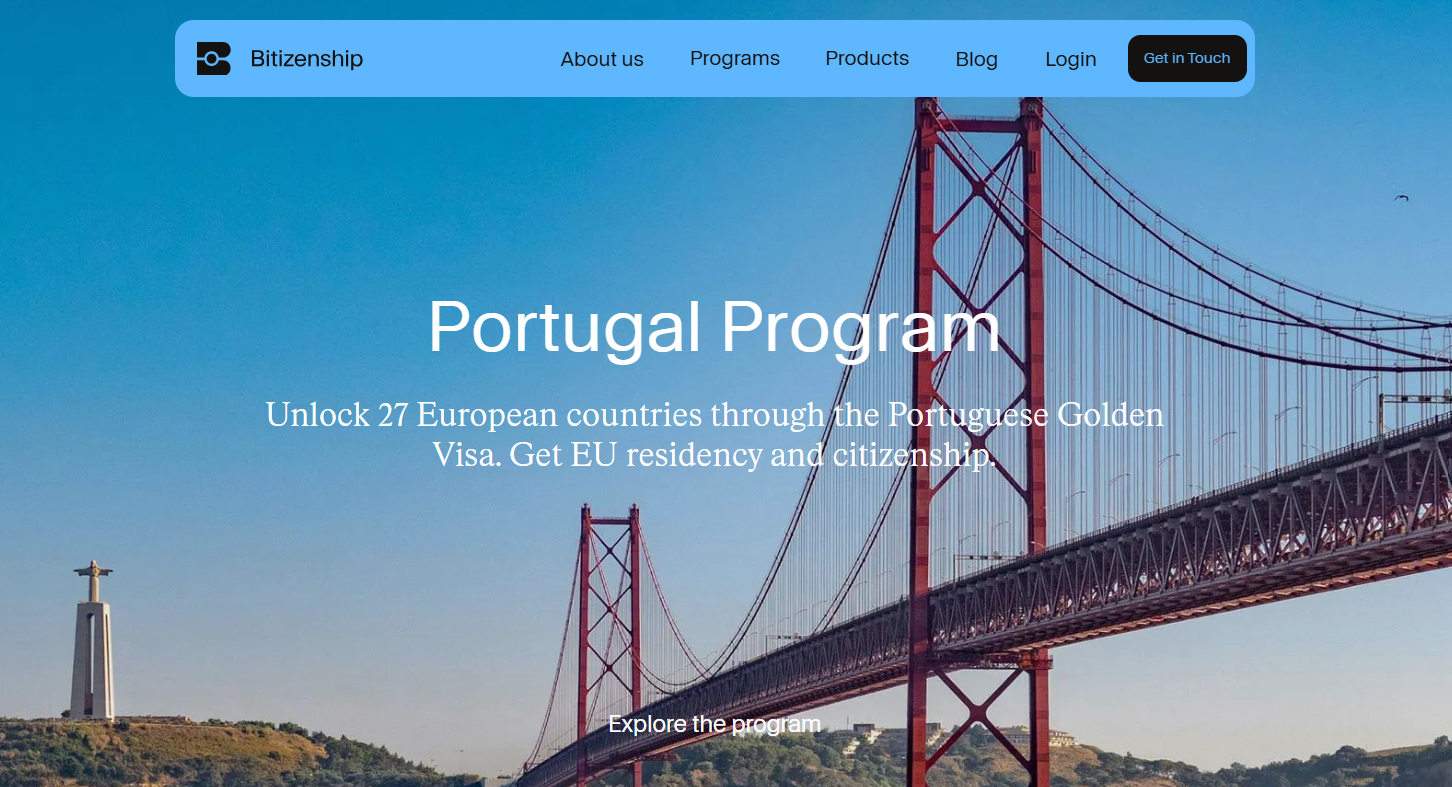
Portugal's pathway runs through Bitizenship's Portugal Fund, a Golden Visa-eligible private equity fund. The structure works as follows:
- The qualifying investment for Golden Visa eligibility is €500,000.
- The fund invests in a Portuguese company that is 100% owned by the fund and focused solely on the Bitcoin ecosystem.
- Investors gain exposure to Bitcoin through that company's activities, not through a direct Bitcoin purchase made on their behalf.
- It is a closed-ended fund until 2032, with a fundraising cap of €30 million.
- The stay requirement is only 14 days every two years.
- The investment must be transferred from a foreign bank account to Portugal and cannot be made in Bitcoin.
On timelines, Portugal offers a pathway to permanent residency after five years, with a consequential pathway to citizenship thereafter, subject to language (A2 Portuguese), residency, clean criminal record, and other legal requirements.
The powerful feature here is that the route does not require relocating your life to Portugal.
The Italy route: the Bitcoin Dolce Visa
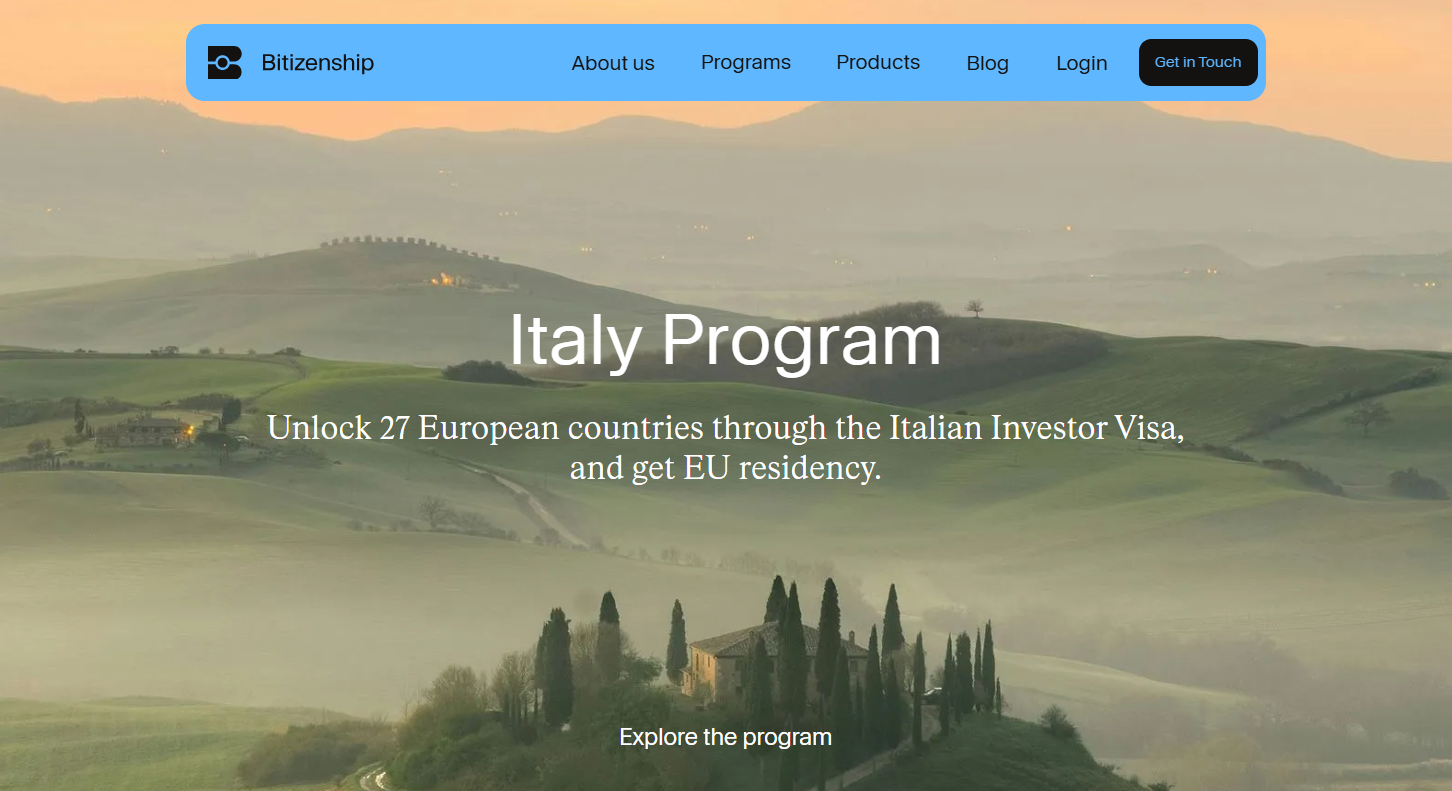
Italy's pathway is the Bitcoin Dolce Visa, structured around a €250,000 equity investment in Bitizenship Italia S.r.l. ("BTC Italia"), a Milan-based Innovative Startup. Its mechanics differ meaningfully from Portugal:
- Investors acquire a €250,000 equity stake (Class B shares) in the startup, which may qualify them for Italy's Investor Visa under Article 26-bis of Legislative Decree 286/1998.
- The startup's treasury is held in BTC as working capital and deployed for non-custodial Bitcoin Layer-2 network validation (for example, Core Network) and related research, and the company retains ownership of its assets.
- Visa approval comes before any capital is transferred, with processing typically completing in 3 to 6 months.
- There is no minimum stay requirement to maintain the Investor Visa.
- Class B shareholders receive 90% of realized profits while Bitizenship retains 10%, with redemption windows every 24 months in BTC or EUR, in line with Italian corporate law.
One critical clarification: Italy's program is residency by investment, not citizenship by investment. Permanent residency is available after five years, and citizenship eligibility comes only after ten years of legal residence at roughly 183 or more days per year, with a B1 Italian requirement, all subject to meeting full criteria.
Who Bitcoin Residency is For
Bitcoin residency is not a mass-market product, and it is not for everyone. It is designed for a specific profile of globally mobile, Bitcoin-aligned investors and their families.
The clearest fits include:
- Bitcoin holders who want European access without selling out of their long-term thesis.
- Families seeking Schengen mobility, healthcare and education access, and a stable base.
- Founders and entrepreneurs who already live across multiple jurisdictions.
- Investors who want residency by investment without a full immediate relocation.
If you recognize yourself in that description, the more useful question is not whether Bitcoin residency is right for you, but which of the two routes fits your goals.
Key Benefits of Bitcoin Residency
The appeal of Bitcoin residency is that it stacks mobility benefits on top of an investment thesis the holder already accepts. Across both Bitizenship routes, the core benefits cluster into three categories: mobility, flexibility, and Bitcoin alignment.
On mobility and family security, both pathways deliver:
- Visa-free Schengen travel across 27 European countries.
- The ability to include immediate family members.
- Access to European public healthcare and education systems.
On flexibility, the two routes diverge in useful ways:
- Portugal asks for only 14 days every two years and offers permanent residency eligibility at five years.
- Italy asks for no minimum stay to maintain the visa, approves the visa before capital transfer, and processes in 3 to 6 months.
On Bitcoin alignment, both keep the investor connected to the ecosystem through the activities of the underlying vehicle rather than forcing a clean exit from Bitcoin.
For a fuller walkthrough of how this maps to EU residency, our Bitcoin Golden Visa guide covers the mechanics in detail.
Taken together, these benefits explain why Bitcoin residency is increasingly treated as a serious wealth-planning tool rather than a novelty.
What to Know Before you Invest
Bitcoin residency is a regulated investment migration pathway, and it should be approached with the same rigor as any serious capital decision. A few realities deserve emphasis before you commit.
First, the compliance framing is not optional language, it is the truth of the structures:
- These are not Bitcoin funds, and the vehicles do not buy Bitcoin on an investor's behalf.
- Returns are not guaranteed; distributions depend on company performance, treasury value, and, in Italy's case, staking income.
- Startup risk and private equity risk apply, and capital is at risk.
- Residency and citizenship outcomes are pathways and eligibility, never guarantees or automatic results.
Second, source-of-funds preparation is often the most demanding step for Bitcoin holders, since authorities expect a documented, lawful origin for the capital, including exchange records and tax compliance.
Building that paper trail early tends to save months later. If you are weighing the two routes, you can compare both Bitcoin residency programs before making any decision. The sensible move is to engage qualified immigration and cross-border tax advisors before you begin, not after.
Conclusion
Bitcoin residency in 2026 comes down to a simple idea executed carefully: use a compliant, Bitcoin-aligned investment to secure European residency without abandoning the asset you believe in.
With a growing population of Bitcoin millionaires and a tightening European golden visa landscape, the holders acting thoughtfully now are the ones building real optionality for themselves and their families.
Bitizenship structures two distinct routes for exactly this, a €500,000 Golden Visa-eligible fund in Portugal and a €250,000 Investor Visa startup pathway in Italy, both with founder-led oversight and vetted legal and tax partners.
Get in touch with the Bitizenship team, and let’s explore which Bitcoin residency pathway fits your goals.
Read next:
- Best Countries for Bitcoin Investors to Get Residency in 2026
- How Bitcoin Founders Are Getting Italian Residency in Under 6 Months
- Bitcoin Golden Visa 2026: Complete Guide to EU Residency for Bitcoin Holders
FAQs:
1. What is Bitcoin residency in 2026?
Bitcoin residency is the use of a Bitcoin-aligned investment to qualify for legal residency in another country, and in 2026 the strongest European routes run through Portugal and Italy. Bitizenship structures both, channeling euro-denominated capital into vehicles that maintain indirect exposure to the Bitcoin ecosystem while satisfying each country's residency-by-investment rules. The investor gains a residence permit backed by an asset class they already believe in, rather than being forced to exit Bitcoin entirely.
2. How do Bitcoin residency programs work with Bitizenship?
Bitizenship offers two separate Bitcoin residency pathways under different national frameworks. In Portugal, investors commit €500,000 to a Golden Visa-eligible private equity fund that invests in a wholly owned Portuguese company focused on the Bitcoin ecosystem. In Italy, investors acquire a €250,000 equity stake in Bitizenship Italia S.r.l., a Milan-based Innovative Startup, which may qualify them for Italy's Investor Visa. Bitizenship coordinates the process with vetted legal and tax partners across both routes.
3. Can I get Bitcoin residency by paying in Bitcoin?
No, Bitcoin residency does not mean paying for residency in Bitcoin. For legal and immigration compliance, the Portugal investment must be transferred from a foreign bank account to Portugal, and the Italy investment is a euro-denominated equity transfer into Bitizenship Italia S.r.l. The Bitcoin exposure is indirect, gained through the activities of the underlying vehicle, which is the distinction Bitizenship is careful to maintain in every structure.
4. Does Bitcoin residency lead to EU citizenship?
Bitcoin residency can open a pathway toward citizenship, but it is never guaranteed or automatic. With Bitizenship's Portugal route, investors reach permanent residency eligibility after five years, with a consequential pathway to citizenship later, subject to requirements. Italy's route is residency by investment, where citizenship eligibility arrives only after ten years of genuine legal residence at roughly 183 or more days per year, with a B1 Italian requirement. Both depend on meeting full legal, language, and integration criteria.
5. Which Bitcoin residency program has the lower investment threshold?
Italy has the lower Bitcoin residency threshold at €250,000, compared with €500,000 for the Portugal Golden Visa route. The Italy pathway, the Bitcoin Dolce Visa structured by Bitizenship, is also generally faster at 3 to 6 months and carries no minimum stay requirement to maintain the visa. Portugal, by contrast, is often preferred by investors prioritizing a five-year permanent residency timeline with only 14 days of stay every two years.
Disclaimer
This article is published by Bitizenship for informational and educational purposes only. It reflects Bitizenship's perspective on the investment migration market and is not intended as legal, tax, immigration, investment, or financial advice, nor as an offer or solicitation to subscribe to any investment product. Comparisons with other firms are based on publicly available information and our own assessment of structural differences in business models. We have aimed for accuracy, but descriptions of programs, regulations, and competitor offerings are necessarily summaries and may not capture every legal nuance. Program terms, eligibility criteria, processing times, tax regimes, and regulatory frameworks change frequently and vary by individual circumstances. The Bitcoin Dolce Visa involves an equity investment in Bitizenship Italia S.r.l., an Italian private company. Any investment decision should be made only after reviewing the official documentation and consulting independent legal, tax, and financial advisors qualified in the relevant jurisdictions. Past performance does not guarantee future results. Capital is at risk. Residency and citizenship outcomes depend on meeting all legal, language, residency, and integration requirements set by the relevant authorities and are never guaranteed. Always refer to official government and regulatory sources, and engage qualified professionals before acting on any information in this article.


Gain residency and citizenship for you and your family. Enjoy the freedom to live, work, do business.
